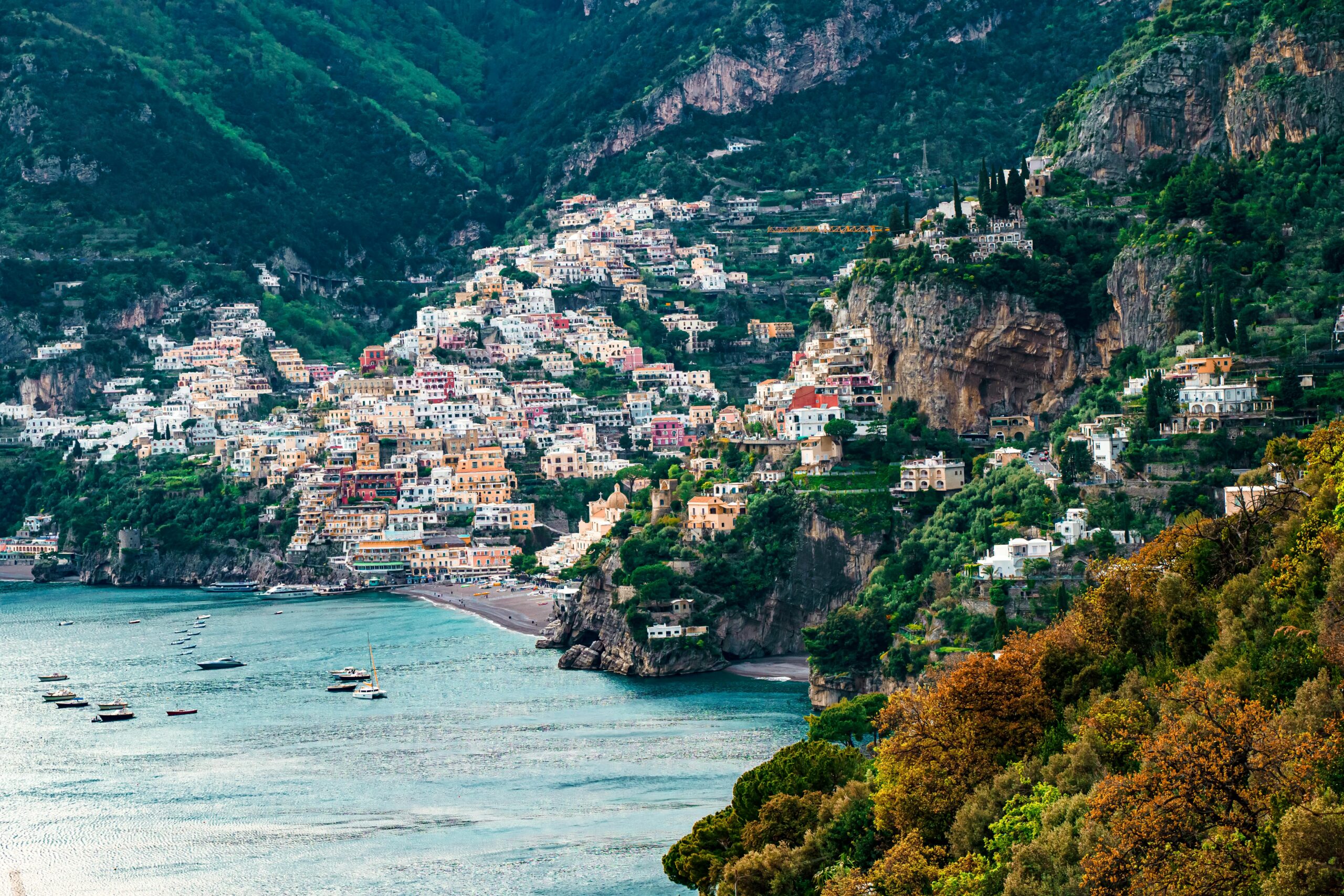
The Best Things to Do on the Amalfi Coast

The Amalfi Coast is one of Italy’s most enchanting regions—a stretch of dramatic cliffs, pastel‑colored towns, and sparkling Mediterranean waters. Whether you’re here for romance, adventure, or pure relaxation, the coast offers experiences that feel timeless.
🏘️ Explore the Iconic Towns of the Amalfi Coast
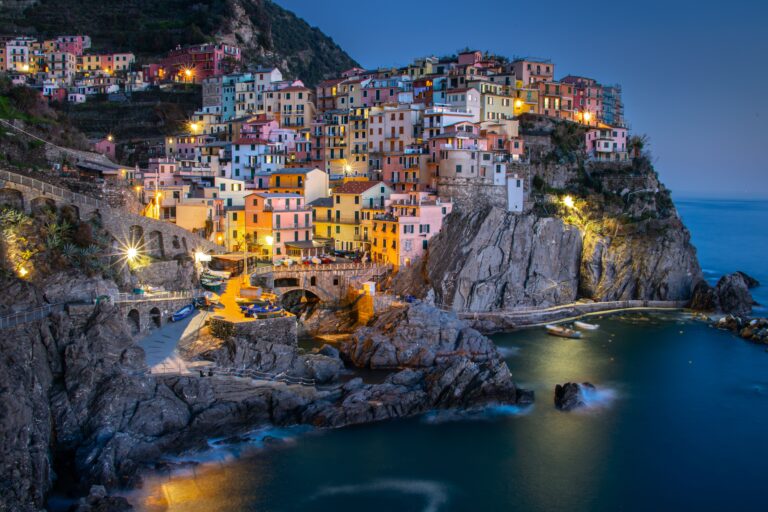
The Amalfi Coast isn’t just one destination—it’s a collection of towns, each with its own character, history, and rhythm. Exploring them is like moving through chapters of a story, where every stop reveals a different mood.
- Positano: Perhaps the most photographed town on the coast, Positano is a cascade of pastel houses tumbling down steep cliffs toward the sea. Its narrow lanes are lined with chic boutiques, art galleries, and cafés, making it a paradise for shoppers and wanderers alike. The main beach, Spiaggia Grande, buzzes with energy, while Fornillo Beach offers a quieter escape. Positano is glamorous yet intimate, often described as the “vertical town” because of its stairways that connect everything.
- Amalfi Town: Once a powerful maritime republic, Amalfi blends history with charm. The centerpiece is the Duomo di Sant’Andrea, a striking cathedral with Arab‑Norman influences and a dramatic staircase leading up from the piazza. The town also houses the Museo della Carta (Paper Museum), which showcases Amalfi’s medieval paper‑making tradition. Amalfi feels more lived‑in than Positano, with a mix of locals and visitors, and its waterfront promenade is perfect for evening strolls.
- Ravello: Perched high above the coast, Ravello is known for its tranquility and sweeping views. It’s often called the “balcony of the Amalfi Coast.” The gardens of Villa Cimbrone and Villa Rufolo are legendary, offering terraces that overlook the sea in breathtaking fashion. Ravello also has a strong cultural identity, hosting classical music concerts and festivals that draw artists from around the world. It’s the place to go when you want romance, serenity, and inspiration.
- Atrani: Just a short walk from Amalfi, Atrani is one of Italy’s smallest towns, but it packs charm into every corner. Its pastel buildings cluster around a central piazza, and its beach is cozy and less crowded than Amalfi’s. Atrani feels authentic and intimate, offering a glimpse of everyday coastal life.
- Minori & Maiori: These neighboring towns are known for their longer stretches of beach—rare on the Amalfi Coast. Minori is famous for its pastries, especially the lemon‑based Delizie al Limone, while Maiori boasts a lively promenade and family‑friendly vibe. Together, they offer a more relaxed, local experience compared to the glamour of Positano.
- Sorrento & Salerno: Technically outside the Amalfi Coast proper, these towns serve as gateways. Sorrento is lively, with lemon groves, bustling piazzas, and easy ferry connections to Capri and Naples. Salerno, on the other end, is less touristy but rich in history, with a medieval old town and convenient train links. Both are excellent bases for exploring the coast if you prefer accessibility and affordability.
🚤 See the Coast from the Water
One of the most unforgettable ways to experience the Amalfi Coast is from the sea. The cliffs and pastel towns look even more dramatic when viewed from a boat, and the water gives you access to hidden coves and grottoes that aren’t reachable by road.
- Ferries: Affordable and practical, ferries connect major towns like Positano, Amalfi, and Sorrento. They’re a stress‑free alternative to the winding Amalfi Drive, and the views from deck are spectacular.
- Group Boat Tours: These cruises often include stops at caves, swimming spots, or smaller villages. They’re ideal if you want a mix of sightseeing and relaxation without breaking the budget.
- Private Charters: For a splurge, hire a private boat or yacht. You’ll have the freedom to set your own pace, swim in secluded bays, and toast with prosecco as the sun sets.
Whether you choose a ferry or a private charter, seeing the Amalfi Coast from the water adds a whole new perspective to your trip—it’s where the coastline truly reveals its magic.
🏖️ Relax on Beaches
The Amalfi Coast may not have the wide sandy stretches of southern Italy, but its beaches are uniquely dramatic—small coves tucked beneath cliffs, often reached by steep stairways or boats. They’re pebbly rather than sandy, but the scenery makes them unforgettable.
- Spiaggia Grande (Positano): The most famous beach, framed by Positano’s pastel houses. It’s lively, crowded, and expensive to rent loungers, but it offers the quintessential Amalfi atmosphere. The backdrop alone makes it one of the most photographed spots in Italy.
- Fornillo Beach: A quieter alternative just a short walk from Spiaggia Grande. Less crowded and more relaxed, it’s popular with locals and those seeking a calmer vibe.
- Maiori & Minori: These towns boast some of the longest stretches of beach on the coast, rare in this region. Maiori’s promenade is lively and family‑friendly, while Minori is known for its pastries and a more intimate feel.
- Hidden Coves: Many small beaches, like those near Fiordo di Furore, are only accessible by boat. These secluded spots are prized for their privacy and crystal‑clear waters.
- Beach Clubs: For luxury, clubs such as Arienzo or La Scogliera offer loungers, cocktails, and full service right on the water. They’re pricey, but they deliver a glamorous Amalfi experience.
The beaches here aren’t about endless sand—they’re about atmosphere. Whether you want glamour, family fun, or seclusion, the Amalfi Coast’s shoreline offers a mix of experiences, each framed by cliffs and turquoise sea.
🍋 Taste the Flavors of Amalfi
Food is at the heart of the Amalfi Coast experience, shaped by its geography and history. The region’s cuisine is simple yet deeply flavorful, relying on fresh seafood, sun‑ripened produce, and of course, lemons—the symbol of Amalfi.
- Seafood Specialties: Being a coastal region, seafood dominates menus. Dishes like spaghetti alle vongole (clams), scialatielli ai frutti di mare (a local handmade pasta with mixed seafood), and grilled fish are staples. The freshness of the catch is what makes them unforgettable.
- Neapolitan Pizza & Pasta: Though Naples is the birthplace of pizza, the Amalfi Coast embraces it too. Pasta dishes often feature regional ingredients like anchovies, zucchini, and lemon zest, giving them a distinct local twist.
- Pastries & Desserts: Minori is famous for Delizie al Limone (lemon delight), a sponge cake filled with lemon cream. Sfogliatella, a flaky pastry filled with ricotta, is another must‑try. These sweets reflect the coast’s love affair with citrus.
- Limoncello: The Amalfi lemon, larger and more aromatic than typical varieties, is the star of the region. Limoncello, a sweet lemon liqueur, is served chilled after meals and has become a cultural emblem. Many small producers offer tastings, and bottles make perfect souvenirs.
- Wine & Olive Oil: The hills of Tramonti are dotted with vineyards producing robust reds and crisp whites. Olive groves also thrive here, and local oils are often used in cooking and served simply with bread.
🏛️ Discover History & Culture
Beyond its beaches and glamour, the Amalfi Coast has a rich cultural heritage shaped by centuries of trade, art, and tradition. Exploring its landmarks gives you a deeper sense of place.
- Amalfi Cathedral (Duomo di Sant’Andrea): Built in the 9th century, this striking cathedral blends Arab‑Norman, Gothic, and Baroque styles. Its striped façade dominates the town’s piazza, and inside you’ll find relics of Saint Andrew, Amalfi’s patron saint. The cloister and crypt are equally worth visiting for their artistry.
- Museo della Carta (Paper Museum): Amalfi was once a hub of medieval paper‑making, supplying much of Europe. The museum preserves this tradition, with demonstrations of ancient techniques and original machinery. It’s a fascinating glimpse into the town’s industrial past.
- Ravello’s Villas: Ravello has long attracted artists and musicians. The gardens of Villa Cimbrone and Villa Rufolo are not only beautiful but historically significant—Villa Rufolo hosted Wagner, inspiring parts of his opera Parsifal. Today, Ravello continues this legacy with its annual music festival.
- Local Crafts & Shopping: The coast is known for hand‑painted ceramics, artisanal sandals, perfumes, and lemon‑themed souvenirs. These crafts reflect centuries of tradition and make meaningful keepsakes.
- Festivals & Traditions: Summer brings religious processions, fireworks, and cultural festivals across the towns. Ravello’s classical concerts and Amalfi’s maritime celebrations highlight the region’s blend of spirituality and artistry.
🥾 Adventure & Nature
The Amalfi Coast isn’t just about towns and beaches—it’s also a playground for outdoor enthusiasts. Its dramatic cliffs, hidden caves, and mountain trails offer some of the most memorable experiences in southern Italy.
- Path of the Gods (Sentiero degli Dei): This legendary 5.6 km trail runs between Bomerano and Nocelle, offering sweeping views of cliffs, villages, and the Tyrrhenian Sea. It’s moderately challenging but accessible, and best done in the morning to avoid heat and crowds.
- Emerald Grotto (Grotta dello Smeraldo): A sea cave near Conca dei Marini where sunlight filters through the water, creating a glowing emerald effect. Accessible by boat or elevator, it’s a short but magical stop.
- Fiordo di Furore: A dramatic fjord‑like cove with a small beach tucked between cliffs. It’s one of the coast’s most photographed spots and feels like a hidden gem.
- Day Trip to Capri: Just a ferry ride away, Capri offers the famous Blue Grotto, chic shopping streets, and the Monte Solaro chairlift for panoramic views. It’s an easy extension to your Amalfi adventure.
- Water Sports: Kayaking, paddleboarding, and snorkeling are popular ways to explore the coastline up close, especially around Positano and Amalfi.
🧭 Practical Tips for Visiting the Amalfi Coast
- Best Time to Visit: Late spring (May–June) and early autumn (September–October) are ideal. The weather is warm, ferries run frequently, and crowds are lighter than peak summer. July and August can be very crowded and expensive.
- Getting Around: Roads are narrow and winding, with limited parking. Ferries and buses are often easier than driving. If you do rent a car, book well in advance and prepare for traffic.
- Avoiding Crowds: Start your days early—towns like Positano and Amalfi fill up quickly. Consider staying in smaller towns like Atrani or Minori for a quieter base.
- Budgeting: The Amalfi Coast can be pricey. Save money by using ferries instead of private transfers, dining at trattorias off the main piazzas, and staying in guesthouses rather than luxury hotels.
- Packing Essentials: Comfortable walking shoes (lots of stairs), light clothing, swimwear, and a reusable water bottle. Sunscreen is a must, as shade is limited on hikes and beaches.
- Language & Etiquette: Italian is the main language, though English is widely spoken in tourist areas. A few polite phrases in Italian go a long way. Dress modestly when visiting churches.
With the right timing, transport choices, and a bit of planning, you can enjoy the Amalfi Coast without stress—leaving more room for its beauty, food, and culture to shine.