🌸Kyoto in April. Why Japan kyoto should be your next destination🌸

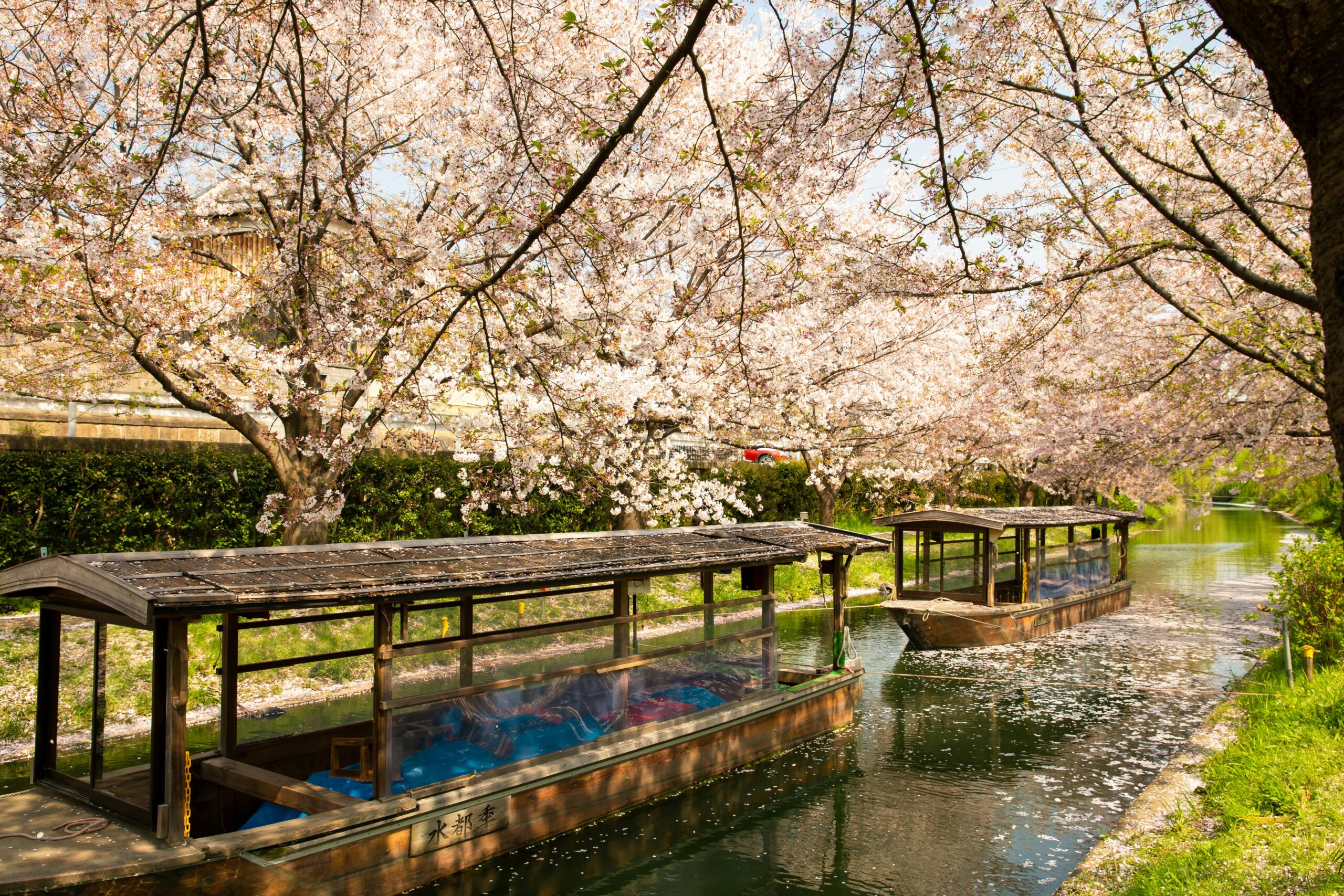
Kyoto in April is a city wrapped in blossoms. The Philosopher’s Path becomes a gentle river of petals, temples shimmer in golden light, and tea houses hum with quiet conversations. Every corner feels timeless, where tradition and spring’s renewal meet in perfect harmony. This blog is a journey through Kyoto’s spring—an exploration of its gardens, festivals, and flavors—inviting you to wander its streets and savor the season’s magic.”
- Maruyama Park is at its best in early April when the cherry trees start to bloom
The centerpiece of the park is a splendid old weeping cherry tree, whose drooping branches fill up with glorious blossoms. When lit up at night, the tree is an otherworldly vision of beauty.It lies next to Yasaka-jinja Shrine, at the base of Kyoto’s eastern mountains.
It contains stroll gardens, rest houses, small orchards, Japanese restaurants, and much more. It is the perfect place to sit and rest after a morning or afternoon spent touring the many sights in the Higashiyama area.
- Philosopher’s path The Philosopher’s Walk is a pleasant stroll path that runs alongside a canal in the shadow of the eastern mountains between Ginkaku-ji Temple (the Silver Pavilion) and the Nyakuoji Bridge. It passes very close to Anraku-ji Temple and Honen-in Temple, two quiet and picturesque temples that are less visited than Ginkaku-ji Temple.The Walk is renowned across Japan for its beautiful spring cherry blossoms, which overhang the path like a canopy.
- Kiyimizu-dera temples
Kiyomizu-dera isn’t just a temple—it’s an experience. Built in 778 CE, this UNESCO World Heritage Site is famous for its huge wooden stage, constructed without nails, that hangs over the hillside with sweeping views of Kyoto. In spring, cherry blossoms frame the temple like a painting, while autumn sets the scene ablaze with fiery red leaves.
The temple’s name, meaning “Pure Water,” comes from the Otowa Waterfall, where visitors drink from three streams said to bring long life, success in studies, or luck in love. For a playful twist, try the “Love Stones” challenge—walking eyes closed between two stones to test your romantic fortune—or venture into the pitch-black Zuigudo Hall, a thrilling underground walk symbolizing rebirth.
With its blend of history, breathtaking scenery, and quirky traditions, Kiyomizu-dera is more than a sightseeing stop—it’s a leap into Kyoto’s heart, promising stories you’ll never forget.
- Nijo castle Nijo Castle in Kyoto is a place where history and intrigue blend beautifully. Built in 1603 by Tokugawa Ieyasu, the first shogun of the Edo period, it was designed to showcase power and authority—but it also became the stage for one of Japan’s greatest turning points, when the shogunate ended and power was restored to the emperor in 1867. Inside, the castle is famous for its “nightingale floors,” wooden corridors that chirp like birds when walked upon, a clever security system to prevent intruders from sneaking in. Visitors love testing them out, turning every step into a playful moment. The lavish interiors, decorated with golden screens and intricate paintings, give you a glimpse into the life of the shoguns, while outside, the Ninomaru Garden offers a serene escape with ponds, stones, and perfectly manicured pines. Each season transforms the grounds—cherry blossoms in spring, fiery leaves in autumn, and peaceful snow in winter—making it a photographer’s dream. Nijo Castle isn’t just about admiring old walls; it’s about hearing history sing beneath your feet, walking through rooms where power shifted, and soaking in gardens that feel like living art. It’s one of those places that makes Kyoto unforgettable.
- Arashiyama Arashiyama in Kyoto is one of those places that feels like stepping straight into a dream. Famous for its enchanting bamboo grove, where towering stalks sway gently overhead, it’s a walk that feels otherworldly—quiet, green, and endlessly photogenic. But Arashiyama is more than just bamboo. The district has been a retreat for nobles since the Heian period, and today it’s a blend of natural beauty, cultural treasures, and playful experiences.
Kyoto is a food lover’s paradise, offering everything from refined kaiseki dining to casual street eats. For tourists, the best experience comes from mixing traditional flavors with unique settings—think riverside dining, hidden alleys in Gion, and local specialties like yudofu (tofu hot pot) and matcha sweets.
🍣 Restaurants and hotels is Kyoto.
1. A 3 day itinerary for the foodies
Day 1 – Comfort & Street Food
- Onigiriya Goku (Nakagyo Ward)
- Why go: Famous for inventive onigiri fillings like wagyu beef and fried fish.
- Tip: Go around lunchtime (before 2 PM) for the freshest rice balls. Seating is limited, so treat it more like a snack stop than a sit-down meal.
- Nishiki Market
- Why go: Kyoto’s “kitchen,” packed with street food stalls.
- Tip: Don’t rush — stroll slowly, sample small bites, and chat with vendors. Many stalls offer free tastings.
- Ippudo Ramen (Kyoto branch)
- Why go: A reliable spot for rich tonkotsu ramen.
- Tip: Expect a short wait during dinner hours; locals often slurp quickly, so turnover is fast.
Day 2 – Traditional Kyoto Cuisine
- Kaiseki Lunch at Gion Karyo
- Why go: Seasonal multi-course dining, a true Kyoto tradition.
- Tip: Book in advance — kaiseki restaurants often require reservations. Dress neatly; it’s part of the experience.
- Tsujiri Tea House
- Why go: Legendary for matcha parfaits and soft serve.
- Tip: Go mid-afternoon when crowds thin out. Order a parfait to experience multiple textures of matcha in one dish.
- Pontocho Alley Izakaya
- Why go: Narrow lantern-lit alley with lively izakaya bars.
- Tip: Many izakaya here are small — don’t be shy about squeezing in. Ordering a few small plates and drinks is the norm.
Day 3 – Modern Fusion & Hidden Gems
- Mimikou Curry Udon
- Why go: Thick udon noodles in rich Kyoto-style curry.
- Tip: Go early for lunch; it’s popular with locals and fills up fast.
- Onigiriya Goku (second visit!)
- Why go: Try seasonal or fusion onigiri flavors.
- Tip: Pair your rice ball with a drink — they serve alcohol, making it a fun midday stop.
- Kichi Kichi Omurice
- Why go: Famous for theatrical omelet rice by Chef Yukimura.
- Tip: Reservations are essential. The chef’s performance is part of the charm, so sit at the counter if possible.
🏨 Best Budget Hotels in Kyoto
Traveling to Kyoto doesn’t have to break the bank. The city is full of affordable stays that balance comfort, convenience, and a touch of local charm. Here are five top picks for budget‑friendly travelers:
- ALA Hotel Kyoto – Just steps from Kyoto Station, this modern hotel offers spotless rooms and unbeatable access to trains and buses.
- Hotel Mystays Kyoto Shijo – A reliable downtown option with clean, business‑style rooms, perfect for longer stays.
- Sakura Terrace – Stylish and welcoming, with the bonus of free evening drinks. Couples love its cozy vibe near the station.
- Capsule Ryokan Kyoto – A unique twist on capsule living, featuring tatami mats and private showers for a blend of tradition and modernity.
- Piece Hostel Kyoto – Popular among backpackers and solo travelers, this hostel includes free breakfast and a lively social atmosphere.
✨ Quick tip: Book early if you’re visiting during cherry blossom or autumn foliage season—prices rise fast, even at budget hotels.
TIPS BEFORE YOU VISIT KYOTO
💴 Cash is King: Many temples, small eateries, and local shops don’t take cards. 7‑Eleven ATMs are the safest bet for foreign cards.
🚉 Transit Tip: Get an ICOCA card for buses and trains. But in busy sakura season, walking or renting a bike can be faster than waiting for crowded buses.
🕗 Beat the Crowds: Visit Fushimi Inari or Kiyomizu-dera at sunrise or after dark — magical atmosphere, fewer tourists.
🍡 Seasonal Treats: Try sakura mochi or blossom tea from local wagashi shops — they’re only around in spring.
📶 Stay Connected: Free Wi‑Fi is patchy. A pocket Wi‑Fi or SIM makes navigation and blogging on the go much easier.
Kyoto in April is a city wrapped in blossoms. The Philosopher’s Path becomes a gentle river of petals, temples shimmer in golden light, and tea houses hum with quiet conversations. Every corner feels timeless, where tradition and spring’s renewal meet in perfect harmony. This blog is a journey through Kyoto’s spring—an exploration of its gardens, festivals, and flavors—inviting you to wander its streets and savor the season’s magic.”
- Maruyama Park is at its best in early April when the cherry trees start to bloom
The centerpiece of the park is a splendid old weeping cherry tree, whose drooping branches fill up with glorious blossoms. When lit up at night, the tree is an otherworldly vision of beauty.It lies next to Yasaka-jinja Shrine, at the base of Kyoto’s eastern mountains.
It contains stroll gardens, rest houses, small orchards, Japanese restaurants, and much more. It is the perfect place to sit and rest after a morning or afternoon spent touring the many sights in the Higashiyama area.
- Philosopher’s path The Philosopher’s Walk is a pleasant stroll path that runs alongside a canal in the shadow of the eastern mountains between Ginkaku-ji Temple (the Silver Pavilion) and the Nyakuoji Bridge. It passes very close to Anraku-ji Temple and Honen-in Temple, two quiet and picturesque temples that are less visited than Ginkaku-ji Temple.The Walk is renowned across Japan for its beautiful spring cherry blossoms, which overhang the path like a canopy.
- Kiyimizu-dera temples
Kiyomizu-dera isn’t just a temple—it’s an experience. Built in 778 CE, this UNESCO World Heritage Site is famous for its huge wooden stage, constructed without nails, that hangs over the hillside with sweeping views of Kyoto. In spring, cherry blossoms frame the temple like a painting, while autumn sets the scene ablaze with fiery red leaves.
The temple’s name, meaning “Pure Water,” comes from the Otowa Waterfall, where visitors drink from three streams said to bring long life, success in studies, or luck in love. For a playful twist, try the “Love Stones” challenge—walking eyes closed between two stones to test your romantic fortune—or venture into the pitch-black Zuigudo Hall, a thrilling underground walk symbolizing rebirth.
With its blend of history, breathtaking scenery, and quirky traditions, Kiyomizu-dera is more than a sightseeing stop—it’s a leap into Kyoto’s heart, promising stories you’ll never forget.
- Nijo castle Nijo Castle in Kyoto is a place where history and intrigue blend beautifully. Built in 1603 by Tokugawa Ieyasu, the first shogun of the Edo period, it was designed to showcase power and authority—but it also became the stage for one of Japan’s greatest turning points, when the shogunate ended and power was restored to the emperor in 1867. Inside, the castle is famous for its “nightingale floors,” wooden corridors that chirp like birds when walked upon, a clever security system to prevent intruders from sneaking in. Visitors love testing them out, turning every step into a playful moment. The lavish interiors, decorated with golden screens and intricate paintings, give you a glimpse into the life of the shoguns, while outside, the Ninomaru Garden offers a serene escape with ponds, stones, and perfectly manicured pines. Each season transforms the grounds—cherry blossoms in spring, fiery leaves in autumn, and peaceful snow in winter—making it a photographer’s dream. Nijo Castle isn’t just about admiring old walls; it’s about hearing history sing beneath your feet, walking through rooms where power shifted, and soaking in gardens that feel like living art. It’s one of those places that makes Kyoto unforgettable.
- Arashiyama Arashiyama in Kyoto is one of those places that feels like stepping straight into a dream. Famous for its enchanting bamboo grove, where towering stalks sway gently overhead, it’s a walk that feels otherworldly—quiet, green, and endlessly photogenic. But Arashiyama is more than just bamboo. The district has been a retreat for nobles since the Heian period, and today it’s a blend of natural beauty, cultural treasures, and playful experiences.
Kyoto is a food lover’s paradise, offering everything from refined kaiseki dining to casual street eats. For tourists, the best experience comes from mixing traditional flavors with unique settings—think riverside dining, hidden alleys in Gion, and local specialties like yudofu (tofu hot pot) and matcha sweets.
🍣 Restaurants and hotels is Kyoto.
1. A 3 day itinerary for the foodies
Day 1 – Comfort & Street Food
- Onigiriya Goku (Nakagyo Ward)
- Why go: Famous for inventive onigiri fillings like wagyu beef and fried fish.
- Tip: Go around lunchtime (before 2 PM) for the freshest rice balls. Seating is limited, so treat it more like a snack stop than a sit-down meal.
- Nishiki Market
- Why go: Kyoto’s “kitchen,” packed with street food stalls.
- Tip: Don’t rush — stroll slowly, sample small bites, and chat with vendors. Many stalls offer free tastings.
- Ippudo Ramen (Kyoto branch)
- Why go: A reliable spot for rich tonkotsu ramen.
- Tip: Expect a short wait during dinner hours; locals often slurp quickly, so turnover is fast.
Day 2 – Traditional Kyoto Cuisine
- Kaiseki Lunch at Gion Karyo
- Why go: Seasonal multi-course dining, a true Kyoto tradition.
- Tip: Book in advance — kaiseki restaurants often require reservations. Dress neatly; it’s part of the experience.
- Tsujiri Tea House
- Why go: Legendary for matcha parfaits and soft serve.
- Tip: Go mid-afternoon when crowds thin out. Order a parfait to experience multiple textures of matcha in one dish.
- Pontocho Alley Izakaya
- Why go: Narrow lantern-lit alley with lively izakaya bars.
- Tip: Many izakaya here are small — don’t be shy about squeezing in. Ordering a few small plates and drinks is the norm.
Day 3 – Modern Fusion & Hidden Gems
- Mimikou Curry Udon
- Why go: Thick udon noodles in rich Kyoto-style curry.
- Tip: Go early for lunch; it’s popular with locals and fills up fast.
- Onigiriya Goku (second visit!)
- Why go: Try seasonal or fusion onigiri flavors.
- Tip: Pair your rice ball with a drink — they serve alcohol, making it a fun midday stop.
- Kichi Kichi Omurice
- Why go: Famous for theatrical omelet rice by Chef Yukimura.
- Tip: Reservations are essential. The chef’s performance is part of the charm, so sit at the counter if possible.
🏨 Best Budget Hotels in Kyoto
Traveling to Kyoto doesn’t have to break the bank. The city is full of affordable stays that balance comfort, convenience, and a touch of local charm. Here are five top picks for budget‑friendly travelers:
- ALA Hotel Kyoto – Just steps from Kyoto Station, this modern hotel offers spotless rooms and unbeatable access to trains and buses.
- Hotel Mystays Kyoto Shijo – A reliable downtown option with clean, business‑style rooms, perfect for longer stays.
- Sakura Terrace – Stylish and welcoming, with the bonus of free evening drinks. Couples love its cozy vibe near the station.
- Capsule Ryokan Kyoto – A unique twist on capsule living, featuring tatami mats and private showers for a blend of tradition and modernity.
- Piece Hostel Kyoto – Popular among backpackers and solo travelers, this hostel includes free breakfast and a lively social atmosphere.
✨ Quick tip: Book early if you’re visiting during cherry blossom or autumn foliage season—prices rise fast, even at budget hotels.
TIPS BEFORE YOU VISIT KYOTO
💴 Cash is King: Many temples, small eateries, and local shops don’t take cards. 7‑Eleven ATMs are the safest bet for foreign cards.
🚉 Transit Tip: Get an ICOCA card for buses and trains. But in busy sakura season, walking or renting a bike can be faster than waiting for crowded buses.
🕗 Beat the Crowds: Visit Fushimi Inari or Kiyomizu-dera at sunrise or after dark — magical atmosphere, fewer tourists.
🍡 Seasonal Treats: Try sakura mochi or blossom tea from local wagashi shops — they’re only around in spring.
📶 Stay Connected: Free Wi‑Fi is patchy. A pocket Wi‑Fi or SIM makes navigation and blogging on the go much easier.
Kyoto in April is a city wrapped in blossoms. The Philosopher’s Path becomes a gentle river of petals, temples shimmer in golden light, and tea houses hum with quiet conversations. Every corner feels timeless, where tradition and spring’s renewal meet in perfect harmony. This blog is a journey through Kyoto’s spring—an exploration of its gardens, festivals, and flavors—inviting you to wander its streets and savor the season’s magic.”
- Maruyama Park is at its best in early April when the cherry trees start to bloom
The centerpiece of the park is a splendid old weeping cherry tree, whose drooping branches fill up with glorious blossoms. When lit up at night, the tree is an otherworldly vision of beauty.It lies next to Yasaka-jinja Shrine, at the base of Kyoto’s eastern mountains.
It contains stroll gardens, rest houses, small orchards, Japanese restaurants, and much more. It is the perfect place to sit and rest after a morning or afternoon spent touring the many sights in the Higashiyama area.
- Philosopher’s path The Philosopher’s Walk is a pleasant stroll path that runs alongside a canal in the shadow of the eastern mountains between Ginkaku-ji Temple (the Silver Pavilion) and the Nyakuoji Bridge. It passes very close to Anraku-ji Temple and Honen-in Temple, two quiet and picturesque temples that are less visited than Ginkaku-ji Temple.The Walk is renowned across Japan for its beautiful spring cherry blossoms, which overhang the path like a canopy.
- Kiyimizu-dera temples
Kiyomizu-dera isn’t just a temple—it’s an experience. Built in 778 CE, this UNESCO World Heritage Site is famous for its huge wooden stage, constructed without nails, that hangs over the hillside with sweeping views of Kyoto. In spring, cherry blossoms frame the temple like a painting, while autumn sets the scene ablaze with fiery red leaves.
The temple’s name, meaning “Pure Water,” comes from the Otowa Waterfall, where visitors drink from three streams said to bring long life, success in studies, or luck in love. For a playful twist, try the “Love Stones” challenge—walking eyes closed between two stones to test your romantic fortune—or venture into the pitch-black Zuigudo Hall, a thrilling underground walk symbolizing rebirth.
With its blend of history, breathtaking scenery, and quirky traditions, Kiyomizu-dera is more than a sightseeing stop—it’s a leap into Kyoto’s heart, promising stories you’ll never forget.
- Nijo castle Nijo Castle in Kyoto is a place where history and intrigue blend beautifully. Built in 1603 by Tokugawa Ieyasu, the first shogun of the Edo period, it was designed to showcase power and authority—but it also became the stage for one of Japan’s greatest turning points, when the shogunate ended and power was restored to the emperor in 1867. Inside, the castle is famous for its “nightingale floors,” wooden corridors that chirp like birds when walked upon, a clever security system to prevent intruders from sneaking in. Visitors love testing them out, turning every step into a playful moment. The lavish interiors, decorated with golden screens and intricate paintings, give you a glimpse into the life of the shoguns, while outside, the Ninomaru Garden offers a serene escape with ponds, stones, and perfectly manicured pines. Each season transforms the grounds—cherry blossoms in spring, fiery leaves in autumn, and peaceful snow in winter—making it a photographer’s dream. Nijo Castle isn’t just about admiring old walls; it’s about hearing history sing beneath your feet, walking through rooms where power shifted, and soaking in gardens that feel like living art. It’s one of those places that makes Kyoto unforgettable.
- Arashiyama Arashiyama in Kyoto is one of those places that feels like stepping straight into a dream. Famous for its enchanting bamboo grove, where towering stalks sway gently overhead, it’s a walk that feels otherworldly—quiet, green, and endlessly photogenic. But Arashiyama is more than just bamboo. The district has been a retreat for nobles since the Heian period, and today it’s a blend of natural beauty, cultural treasures, and playful experiences.
Kyoto is a food lover’s paradise, offering everything from refined kaiseki dining to casual street eats. For tourists, the best experience comes from mixing traditional flavors with unique settings—think riverside dining, hidden alleys in Gion, and local specialties like yudofu (tofu hot pot) and matcha sweets.
🍣 Restaurants and hotels is Kyoto.
1. A 3 day itinerary for the foodies
Day 1 – Comfort & Street Food
- Onigiriya Goku (Nakagyo Ward)
- Why go: Famous for inventive onigiri fillings like wagyu beef and fried fish.
- Tip: Go around lunchtime (before 2 PM) for the freshest rice balls. Seating is limited, so treat it more like a snack stop than a sit-down meal.
- Nishiki Market
- Why go: Kyoto’s “kitchen,” packed with street food stalls.
- Tip: Don’t rush — stroll slowly, sample small bites, and chat with vendors. Many stalls offer free tastings.
- Ippudo Ramen (Kyoto branch)
- Why go: A reliable spot for rich tonkotsu ramen.
- Tip: Expect a short wait during dinner hours; locals often slurp quickly, so turnover is fast.
Day 2 – Traditional Kyoto Cuisine
- Kaiseki Lunch at Gion Karyo
- Why go: Seasonal multi-course dining, a true Kyoto tradition.
- Tip: Book in advance — kaiseki restaurants often require reservations. Dress neatly; it’s part of the experience.
- Tsujiri Tea House
- Why go: Legendary for matcha parfaits and soft serve.
- Tip: Go mid-afternoon when crowds thin out. Order a parfait to experience multiple textures of matcha in one dish.
- Pontocho Alley Izakaya
- Why go: Narrow lantern-lit alley with lively izakaya bars.
- Tip: Many izakaya here are small — don’t be shy about squeezing in. Ordering a few small plates and drinks is the norm.
Day 3 – Modern Fusion & Hidden Gems
- Mimikou Curry Udon
- Why go: Thick udon noodles in rich Kyoto-style curry.
- Tip: Go early for lunch; it’s popular with locals and fills up fast.
- Onigiriya Goku (second visit!)
- Why go: Try seasonal or fusion onigiri flavors.
- Tip: Pair your rice ball with a drink — they serve alcohol, making it a fun midday stop.
- Kichi Kichi Omurice
- Why go: Famous for theatrical omelet rice by Chef Yukimura.
- Tip: Reservations are essential. The chef’s performance is part of the charm, so sit at the counter if possible.
🏨 Best Budget Hotels in Kyoto
Traveling to Kyoto doesn’t have to break the bank. The city is full of affordable stays that balance comfort, convenience, and a touch of local charm. Here are five top picks for budget‑friendly travelers:
- ALA Hotel Kyoto – Just steps from Kyoto Station, this modern hotel offers spotless rooms and unbeatable access to trains and buses.
- Hotel Mystays Kyoto Shijo – A reliable downtown option with clean, business‑style rooms, perfect for longer stays.
- Sakura Terrace – Stylish and welcoming, with the bonus of free evening drinks. Couples love its cozy vibe near the station.
- Capsule Ryokan Kyoto – A unique twist on capsule living, featuring tatami mats and private showers for a blend of tradition and modernity.
- Piece Hostel Kyoto – Popular among backpackers and solo travelers, this hostel includes free breakfast and a lively social atmosphere.
✨ Quick tip: Book early if you’re visiting during cherry blossom or autumn foliage season—prices rise fast, even at budget hotels.
TIPS BEFORE YOU VISIT KYOTO
💴 Cash is King: Many temples, small eateries, and local shops don’t take cards. 7‑Eleven ATMs are the safest bet for foreign cards.
🚉 Transit Tip: Get an ICOCA card for buses and trains. But in busy sakura season, walking or renting a bike can be faster than waiting for crowded buses.
🕗 Beat the Crowds: Visit Fushimi Inari or Kiyomizu-dera at sunrise or after dark — magical atmosphere, fewer tourists.
🍡 Seasonal Treats: Try sakura mochi or blossom tea from local wagashi shops — they’re only around in spring.
📶 Stay Connected: Free Wi‑Fi is patchy. A pocket Wi‑Fi or SIM makes navigation and blogging on the go much easier.
Kyoto in April is a city wrapped in blossoms. The Philosopher’s Path becomes a gentle river of petals, temples shimmer in golden light, and tea houses hum with quiet conversations. Every corner feels timeless, where tradition and spring’s renewal meet in perfect harmony. This blog is a journey through Kyoto’s spring—an exploration of its gardens, festivals, and flavors—inviting you to wander its streets and savor the season’s magic.”
- Maruyama Park is at its best in early April when the cherry trees start to bloom
The centerpiece of the park is a splendid old weeping cherry tree, whose drooping branches fill up with glorious blossoms. When lit up at night, the tree is an otherworldly vision of beauty.It lies next to Yasaka-jinja Shrine, at the base of Kyoto’s eastern mountains.
It contains stroll gardens, rest houses, small orchards, Japanese restaurants, and much more. It is the perfect place to sit and rest after a morning or afternoon spent touring the many sights in the Higashiyama area.
- Philosopher’s path The Philosopher’s Walk is a pleasant stroll path that runs alongside a canal in the shadow of the eastern mountains between Ginkaku-ji Temple (the Silver Pavilion) and the Nyakuoji Bridge. It passes very close to Anraku-ji Temple and Honen-in Temple, two quiet and picturesque temples that are less visited than Ginkaku-ji Temple.The Walk is renowned across Japan for its beautiful spring cherry blossoms, which overhang the path like a canopy.
- Kiyimizu-dera temples
Kiyomizu-dera isn’t just a temple—it’s an experience. Built in 778 CE, this UNESCO World Heritage Site is famous for its huge wooden stage, constructed without nails, that hangs over the hillside with sweeping views of Kyoto. In spring, cherry blossoms frame the temple like a painting, while autumn sets the scene ablaze with fiery red leaves.
The temple’s name, meaning “Pure Water,” comes from the Otowa Waterfall, where visitors drink from three streams said to bring long life, success in studies, or luck in love. For a playful twist, try the “Love Stones” challenge—walking eyes closed between two stones to test your romantic fortune—or venture into the pitch-black Zuigudo Hall, a thrilling underground walk symbolizing rebirth.
With its blend of history, breathtaking scenery, and quirky traditions, Kiyomizu-dera is more than a sightseeing stop—it’s a leap into Kyoto’s heart, promising stories you’ll never forget.
- Nijo castle Nijo Castle in Kyoto is a place where history and intrigue blend beautifully. Built in 1603 by Tokugawa Ieyasu, the first shogun of the Edo period, it was designed to showcase power and authority—but it also became the stage for one of Japan’s greatest turning points, when the shogunate ended and power was restored to the emperor in 1867. Inside, the castle is famous for its “nightingale floors,” wooden corridors that chirp like birds when walked upon, a clever security system to prevent intruders from sneaking in. Visitors love testing them out, turning every step into a playful moment. The lavish interiors, decorated with golden screens and intricate paintings, give you a glimpse into the life of the shoguns, while outside, the Ninomaru Garden offers a serene escape with ponds, stones, and perfectly manicured pines. Each season transforms the grounds—cherry blossoms in spring, fiery leaves in autumn, and peaceful snow in winter—making it a photographer’s dream. Nijo Castle isn’t just about admiring old walls; it’s about hearing history sing beneath your feet, walking through rooms where power shifted, and soaking in gardens that feel like living art. It’s one of those places that makes Kyoto unforgettable.
- Arashiyama Arashiyama in Kyoto is one of those places that feels like stepping straight into a dream. Famous for its enchanting bamboo grove, where towering stalks sway gently overhead, it’s a walk that feels otherworldly—quiet, green, and endlessly photogenic. But Arashiyama is more than just bamboo. The district has been a retreat for nobles since the Heian period, and today it’s a blend of natural beauty, cultural treasures, and playful experiences.
Kyoto is a food lover’s paradise, offering everything from refined kaiseki dining to casual street eats. For tourists, the best experience comes from mixing traditional flavors with unique settings—think riverside dining, hidden alleys in Gion, and local specialties like yudofu (tofu hot pot) and matcha sweets.
🍣 Restaurants and hotels is Kyoto.
1. A 3 day itinerary for the foodies
Day 1 – Comfort & Street Food
- Onigiriya Goku (Nakagyo Ward)
- Why go: Famous for inventive onigiri fillings like wagyu beef and fried fish.
- Tip: Go around lunchtime (before 2 PM) for the freshest rice balls. Seating is limited, so treat it more like a snack stop than a sit-down meal.
- Nishiki Market
- Why go: Kyoto’s “kitchen,” packed with street food stalls.
- Tip: Don’t rush — stroll slowly, sample small bites, and chat with vendors. Many stalls offer free tastings.
- Ippudo Ramen (Kyoto branch)
- Why go: A reliable spot for rich tonkotsu ramen.
- Tip: Expect a short wait during dinner hours; locals often slurp quickly, so turnover is fast.
Day 2 – Traditional Kyoto Cuisine
- Kaiseki Lunch at Gion Karyo
- Why go: Seasonal multi-course dining, a true Kyoto tradition.
- Tip: Book in advance — kaiseki restaurants often require reservations. Dress neatly; it’s part of the experience.
- Tsujiri Tea House
- Why go: Legendary for matcha parfaits and soft serve.
- Tip: Go mid-afternoon when crowds thin out. Order a parfait to experience multiple textures of matcha in one dish.
- Pontocho Alley Izakaya
- Why go: Narrow lantern-lit alley with lively izakaya bars.
- Tip: Many izakaya here are small — don’t be shy about squeezing in. Ordering a few small plates and drinks is the norm.
Day 3 – Modern Fusion & Hidden Gems
- Mimikou Curry Udon
- Why go: Thick udon noodles in rich Kyoto-style curry.
- Tip: Go early for lunch; it’s popular with locals and fills up fast.
- Onigiriya Goku (second visit!)
- Why go: Try seasonal or fusion onigiri flavors.
- Tip: Pair your rice ball with a drink — they serve alcohol, making it a fun midday stop.
- Kichi Kichi Omurice
- Why go: Famous for theatrical omelet rice by Chef Yukimura.
- Tip: Reservations are essential. The chef’s performance is part of the charm, so sit at the counter if possible.
🏨 Best Budget Hotels in Kyoto
Traveling to Kyoto doesn’t have to break the bank. The city is full of affordable stays that balance comfort, convenience, and a touch of local charm. Here are five top picks for budget‑friendly travelers:
- ALA Hotel Kyoto – Just steps from Kyoto Station, this modern hotel offers spotless rooms and unbeatable access to trains and buses.
- Hotel Mystays Kyoto Shijo – A reliable downtown option with clean, business‑style rooms, perfect for longer stays.
- Sakura Terrace – Stylish and welcoming, with the bonus of free evening drinks. Couples love its cozy vibe near the station.
- Capsule Ryokan Kyoto – A unique twist on capsule living, featuring tatami mats and private showers for a blend of tradition and modernity.
- Piece Hostel Kyoto – Popular among backpackers and solo travelers, this hostel includes free breakfast and a lively social atmosphere.
✨ Quick tip: Book early if you’re visiting during cherry blossom or autumn foliage season—prices rise fast, even at budget hotels.
TIPS BEFORE YOU VISIT KYOTO
💴 Cash is King: Many temples, small eateries, and local shops don’t take cards. 7‑Eleven ATMs are the safest bet for foreign cards.
🚉 Transit Tip: Get an ICOCA card for buses and trains. But in busy sakura season, walking or renting a bike can be faster than waiting for crowded buses.
🕗 Beat the Crowds: Visit Fushimi Inari or Kiyomizu-dera at sunrise or after dark — magical atmosphere, fewer tourists.
🍡 Seasonal Treats: Try sakura mochi or blossom tea from local wagashi shops — they’re only around in spring.
📶 Stay Connected: Free Wi‑Fi is patchy. A pocket Wi‑Fi or SIM makes navigation and blogging on the go much easier.
Kyoto in April is a city wrapped in blossoms. The Philosopher’s Path becomes a gentle river of petals, temples shimmer in golden light, and tea houses hum with quiet conversations. Every corner feels timeless, where tradition and spring’s renewal meet in perfect harmony. This blog is a journey through Kyoto’s spring—an exploration of its gardens, festivals, and flavors—inviting you to wander its streets and savor the season’s magic.”
- Maruyama Park is at its best in early April when the cherry trees start to bloom
The centerpiece of the park is a splendid old weeping cherry tree, whose drooping branches fill up with glorious blossoms. When lit up at night, the tree is an otherworldly vision of beauty.It lies next to Yasaka-jinja Shrine, at the base of Kyoto’s eastern mountains.
It contains stroll gardens, rest houses, small orchards, Japanese restaurants, and much more. It is the perfect place to sit and rest after a morning or afternoon spent touring the many sights in the Higashiyama area.
- Philosopher’s path The Philosopher’s Walk is a pleasant stroll path that runs alongside a canal in the shadow of the eastern mountains between Ginkaku-ji Temple (the Silver Pavilion) and the Nyakuoji Bridge. It passes very close to Anraku-ji Temple and Honen-in Temple, two quiet and picturesque temples that are less visited than Ginkaku-ji Temple.The Walk is renowned across Japan for its beautiful spring cherry blossoms, which overhang the path like a canopy.
- Kiyimizu-dera temples
Kiyomizu-dera isn’t just a temple—it’s an experience. Built in 778 CE, this UNESCO World Heritage Site is famous for its huge wooden stage, constructed without nails, that hangs over the hillside with sweeping views of Kyoto. In spring, cherry blossoms frame the temple like a painting, while autumn sets the scene ablaze with fiery red leaves.
The temple’s name, meaning “Pure Water,” comes from the Otowa Waterfall, where visitors drink from three streams said to bring long life, success in studies, or luck in love. For a playful twist, try the “Love Stones” challenge—walking eyes closed between two stones to test your romantic fortune—or venture into the pitch-black Zuigudo Hall, a thrilling underground walk symbolizing rebirth.
With its blend of history, breathtaking scenery, and quirky traditions, Kiyomizu-dera is more than a sightseeing stop—it’s a leap into Kyoto’s heart, promising stories you’ll never forget.
- Nijo castle Nijo Castle in Kyoto is a place where history and intrigue blend beautifully. Built in 1603 by Tokugawa Ieyasu, the first shogun of the Edo period, it was designed to showcase power and authority—but it also became the stage for one of Japan’s greatest turning points, when the shogunate ended and power was restored to the emperor in 1867. Inside, the castle is famous for its “nightingale floors,” wooden corridors that chirp like birds when walked upon, a clever security system to prevent intruders from sneaking in. Visitors love testing them out, turning every step into a playful moment. The lavish interiors, decorated with golden screens and intricate paintings, give you a glimpse into the life of the shoguns, while outside, the Ninomaru Garden offers a serene escape with ponds, stones, and perfectly manicured pines. Each season transforms the grounds—cherry blossoms in spring, fiery leaves in autumn, and peaceful snow in winter—making it a photographer’s dream. Nijo Castle isn’t just about admiring old walls; it’s about hearing history sing beneath your feet, walking through rooms where power shifted, and soaking in gardens that feel like living art. It’s one of those places that makes Kyoto unforgettable.
- Arashiyama Arashiyama in Kyoto is one of those places that feels like stepping straight into a dream. Famous for its enchanting bamboo grove, where towering stalks sway gently overhead, it’s a walk that feels otherworldly—quiet, green, and endlessly photogenic. But Arashiyama is more than just bamboo. The district has been a retreat for nobles since the Heian period, and today it’s a blend of natural beauty, cultural treasures, and playful experiences.
Kyoto is a food lover’s paradise, offering everything from refined kaiseki dining to casual street eats. For tourists, the best experience comes from mixing traditional flavors with unique settings—think riverside dining, hidden alleys in Gion, and local specialties like yudofu (tofu hot pot) and matcha sweets.
🍣 Restaurants and hotels is Kyoto.
1. A 3 day itinerary for the foodies
Day 1 – Comfort & Street Food
- Onigiriya Goku (Nakagyo Ward)
- Why go: Famous for inventive onigiri fillings like wagyu beef and fried fish.
- Tip: Go around lunchtime (before 2 PM) for the freshest rice balls. Seating is limited, so treat it more like a snack stop than a sit-down meal.
- Nishiki Market
- Why go: Kyoto’s “kitchen,” packed with street food stalls.
- Tip: Don’t rush — stroll slowly, sample small bites, and chat with vendors. Many stalls offer free tastings.
- Ippudo Ramen (Kyoto branch)
- Why go: A reliable spot for rich tonkotsu ramen.
- Tip: Expect a short wait during dinner hours; locals often slurp quickly, so turnover is fast.
Day 2 – Traditional Kyoto Cuisine
- Kaiseki Lunch at Gion Karyo
- Why go: Seasonal multi-course dining, a true Kyoto tradition.
- Tip: Book in advance — kaiseki restaurants often require reservations. Dress neatly; it’s part of the experience.
- Tsujiri Tea House
- Why go: Legendary for matcha parfaits and soft serve.
- Tip: Go mid-afternoon when crowds thin out. Order a parfait to experience multiple textures of matcha in one dish.
- Pontocho Alley Izakaya
- Why go: Narrow lantern-lit alley with lively izakaya bars.
- Tip: Many izakaya here are small — don’t be shy about squeezing in. Ordering a few small plates and drinks is the norm.
Day 3 – Modern Fusion & Hidden Gems
- Mimikou Curry Udon
- Why go: Thick udon noodles in rich Kyoto-style curry.
- Tip: Go early for lunch; it’s popular with locals and fills up fast.
- Onigiriya Goku (second visit!)
- Why go: Try seasonal or fusion onigiri flavors.
- Tip: Pair your rice ball with a drink — they serve alcohol, making it a fun midday stop.
- Kichi Kichi Omurice
- Why go: Famous for theatrical omelet rice by Chef Yukimura.
- Tip: Reservations are essential. The chef’s performance is part of the charm, so sit at the counter if possible.
🏨 Best Budget Hotels in Kyoto
Traveling to Kyoto doesn’t have to break the bank. The city is full of affordable stays that balance comfort, convenience, and a touch of local charm. Here are five top picks for budget‑friendly travelers:
- ALA Hotel Kyoto – Just steps from Kyoto Station, this modern hotel offers spotless rooms and unbeatable access to trains and buses.
- Hotel Mystays Kyoto Shijo – A reliable downtown option with clean, business‑style rooms, perfect for longer stays.
- Sakura Terrace – Stylish and welcoming, with the bonus of free evening drinks. Couples love its cozy vibe near the station.
- Capsule Ryokan Kyoto – A unique twist on capsule living, featuring tatami mats and private showers for a blend of tradition and modernity.
- Piece Hostel Kyoto – Popular among backpackers and solo travelers, this hostel includes free breakfast and a lively social atmosphere.
✨ Quick tip: Book early if you’re visiting during cherry blossom or autumn foliage season—prices rise fast, even at budget hotels.
TIPS BEFORE YOU VISIT KYOTO
💴 Cash is King: Many temples, small eateries, and local shops don’t take cards. 7‑Eleven ATMs are the safest bet for foreign cards.
🚉 Transit Tip: Get an ICOCA card for buses and trains. But in busy sakura season, walking or renting a bike can be faster than waiting for crowded buses.
🕗 Beat the Crowds: Visit Fushimi Inari or Kiyomizu-dera at sunrise or after dark — magical atmosphere, fewer tourists.
🍡 Seasonal Treats: Try sakura mochi or blossom tea from local wagashi shops — they’re only around in spring.
📶 Stay Connected: Free Wi‑Fi is patchy. A pocket Wi‑Fi or SIM makes navigation and blogging on the go much easier.