
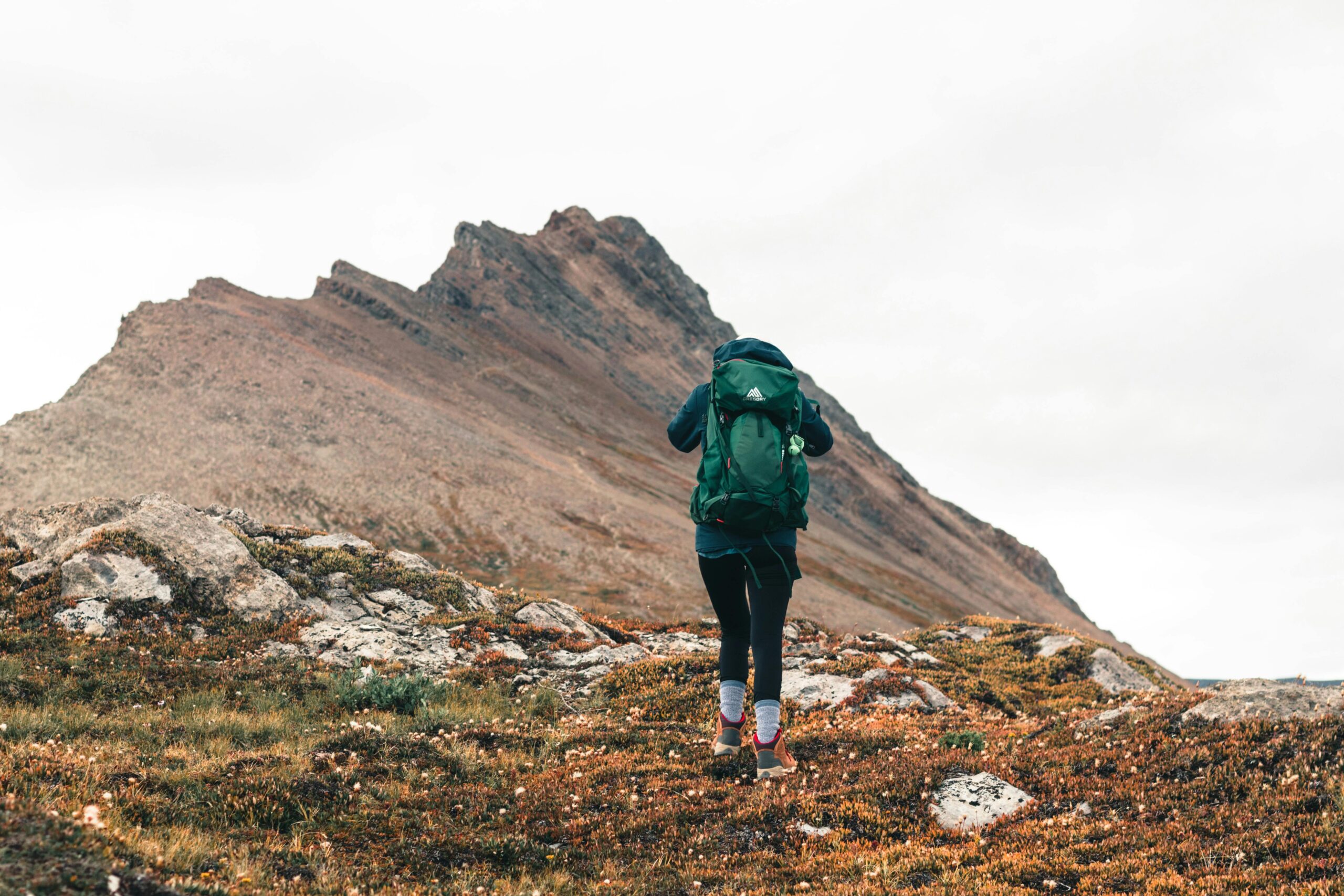
15 Easy Tracks for a Beginner That Wants to Go Hiking Alone

Why Solo Hiking is the Perfect First Step
There’s something profoundly liberating about lacing up your boots, stepping onto a trail, and realizing it’s just you, the path, and the rhythm of your own footsteps. Hiking alone doesn’t have to mean tackling rugged peaks or venturing deep into the wilderness—it can be as simple as choosing an easy, well-marked trail where you can breathe fresh air, clear your mind, and build confidence one step at a time.
For beginners, solo hiking is more than exercise; it’s a chance to reconnect with yourself, to discover the quiet joy of moving at your own pace, and to learn that adventure doesn’t always require company. The world is full of beginner-friendly tracks designed for exactly this purpose: safe, scenic, and short enough to enjoy without feeling overwhelmed.
In this guide, we’ll explore 15 easy hiking tracks around the globe that are perfect for anyone starting their solo hiking journey. Whether you’re seeking coastal views, forest paths, or city escapes, these trails prove that adventure is waiting—sometimes just a few kilometers away.
1. Plitvice Lakes Boardwalk – Croatia
This UNESCO-listed park is famous, but most visitors only see the viewpoints. The boardwalk trails are flat, wooden paths that weave directly over turquoise lakes and waterfalls. As a beginner, you’ll appreciate the ease of walking while still feeling immersed in nature’s drama. Expect mist from cascades, reflections of forest in the water, and a sense of walking through a living painting.
2. Bohinj Lake Loop – Slovenia
Often overshadowed by Lake Bled, Bohinj is quieter and more authentic. The 12 km lakeside loop is flat and shaded, making it ideal for solo beginners. You’ll pass fishing boats, alpine meadows, and locals picnicking by the shore. It’s a trail where you can walk undisturbed, with the Julian Alps rising in the background.
3. Mount Eden Crater – New Zealand (Auckland)
Right in Auckland, this grassy volcanic cone offers a short climb to panoramic city views. The crater itself is a striking bowl of green, and the paths are wide and easy to follow. It’s a hidden gem because most tourists head to Rangitoto Island instead, leaving Mount Eden peaceful and perfect for a solo wander.
4. Pico do Papagaio Short Trail – Brazil (Minas Gerais)
In Serra do Papagaio State Park, this lesser-known trail offers rolling hills, birdlife, and rustic villages. Beginners can enjoy short sections without committing to the full climb. Expect quiet paths, the scent of eucalyptus, and locals who may point you toward hidden viewpoints.
5. Savica Waterfall Walk – Slovenia
A short, well-marked trail leads to Savica Waterfall, tucked into alpine forest. It’s only about 20 minutes from the trailhead, but the payoff is a dramatic cascade plunging into a turquoise pool. Beginners will love the simplicity and the sense of discovery.
6. Mount Vaea Track – Samoa
This tropical trail leads to the grave of Robert Louis Stevenson, the famous author. It’s shaded, short, and filled with birdsong. Beginners will find the climb gentle, and the reward is both cultural and scenic: sweeping views of Apia and the Pacific.
7. Gleninchaquin Park Trails – Ireland
A privately run valley in County Kerry, Gleninchaquin offers short trails past waterfalls, lakes, and sheep-dotted hills. Unlike the crowded Cliffs of Moher, this is a hidden gem where you can walk alone and feel the raw beauty of Ireland without tour buses.
8. Hraunfossar Path – Iceland
This easy trail follows lava fields to a series of waterfalls that seep mysteriously through the rock. It’s flat, safe, and otherworldly. Beginners will love how accessible it is while still feeling like a glimpse into Iceland’s wild geology.
9. Lamma Island Family Trail – Hong Kong
A 4 km seaside path connecting fishing villages, this trail is beginner-perfect. Expect ocean breezes, seafood stalls, and a relaxed pace. It’s a hidden gem compared to the crowded Dragon’s Back hike, offering solitude and charm.
10. Mount Faber Walk – Singapore
A short urban hike that feels surprisingly wild. Forested paths lead to city viewpoints, and cable cars glide overhead. Beginners will appreciate the shaded walkways and the chance to escape the bustle without leaving town.
11. Lake Matheson Circuit – New Zealand (South Island)
A flat loop around a reflective lake famous for mirroring Mt. Cook and Mt. Tasman. The trail is easy, well-marked, and photogenic at every turn. Beginners will love the sense of walking through postcard-perfect scenery with minimal effort.
12. Doi Suthep Nature Trail – Thailand (Chiang Mai)
Near the famous temple, this short forest path offers shade, bird calls, and glimpses of waterfalls. Beginners can enjoy the tranquility without tackling the steep stair climb to the temple itself. It’s a hidden pocket of calm in a busy destination.
13. Lake Louise Lakeshore Trail – Canada
Skip the strenuous mountain climbs—this flat lakeside path offers turquoise water views and glacier backdrops. It’s beginner-friendly, safe, and lets you soak in the beauty of Banff without breaking a sweat.
14. Tasmanian Botanical Trails – Australia
Instead of rugged treks, Tasmania hides short botanical trails filled with native plants and gentle slopes. These walks are perfect for beginners who want to experience Australia’s unique flora in a safe, curated environment.
15. Bohuslän Coastal Path – Sweden
A beginner-friendly section of Sweden’s west coast trail, this path winds past granite cliffs, fishing villages, and sea breezes. It’s less known than the Kungsleden trek, but offers a taste of Nordic landscapes in bite-sized form.
🇰🇪 Bonus Section: Beginner-Friendly Solo Hikes in Kenya
While most global hiking lists focus on Europe, North America, or Asia, Kenya offers some truly underrated trails that are perfect for beginners who want to hike alone. These tracks are short, scenic, and safe, giving you a chance to enjoy nature without needing advanced skills.
- Karura Forest (Nairobi) – Easy loops with waterfalls, caves, and shaded paths. Secure and beginner-friendly.
- Sigiria Forest (Nairobi) – A quiet 3 km trail with forest cover, ideal for short solo hikes.
- Nairobi Arboretum – A short stroll among botanical gardens, perfect for beginners who want a gentle walk.
- Oloolua Nature Trail (Karen) – A 2.4 km path with a waterfall, cave, and bamboo forest.
- Paradise Lost (Kiambu) – A family-friendly trail with a lake and caves, requiring minimal effort.
- Dames Rock (Limuru) – A short hike to a rocky viewpoint with birdwatching opportunities.
- Ol Donyo Sabuk National Park – Beginner-friendly trails with wildlife and panoramic views.
Essential Tips for Beginners Hiking Solo
Hiking alone can be deeply rewarding, but it requires preparation. These tips go beyond the basics to help beginners feel safe, confident, and ready for adventure.
1. Choose the Right Trail
- Start with short, well-marked routes (2–6 km) before attempting longer hikes.
- Look for trails with moderate foot traffic—you’ll feel safe without being crowded.
- Research difficulty ratings on apps like AllTrails, Komoot, or Maps.me to avoid surprises.
2. Time Your Hike Wisely
- Begin early in the day to maximize daylight and avoid afternoon fatigue.
- Check sunrise and sunset times—aim to finish at least an hour before dusk.
- Avoid extreme weather: muddy trails after rain, icy paths in winter, or midday heat in summer.
3. Pack Smart but Light
- Essentials: water, snacks, phone, power bank, small first-aid kit, and a map (digital or paper).
- Wear layered clothing—temperatures can shift quickly.
- Footwear matters: invest in sturdy hiking shoes with good grip, even for short trails.
4. Safety First
- Tell a friend or family member your plan: trail name, start time, and expected return.
- Use offline maps in case of poor signal.
- Carry a whistle—it’s louder and more effective than shouting if you need help.
- Stick to marked paths; shortcuts often lead to unsafe terrain.
5. Pace Yourself
- Solo hiking means you set the rhythm—don’t rush.
- Take short breaks to hydrate and enjoy the scenery.
- Listen to your body: if you feel dizzy, overly tired, or unsafe, turn back.
6. Stay Aware of Your Surroundings
- Keep an eye on trail markers and landmarks.
- Watch for wildlife, but don’t panic—most animals avoid humans if you give them space.
- In urban-adjacent trails, be mindful of cyclists or joggers sharing the path.
7. Mindset Matters
- Solo hiking is about confidence building—celebrate small wins like finishing a 3 km loop.
- Use the time for reflection, mindfulness, or photography.
- Don’t compare your pace to others; the trail is yours to enjoy.
Pro Tip: Build Up Gradually
- Start with short, easy trails close to home. Once you’re comfortable, expand to longer or more remote hikes. Think of it as training your body and your confidence at the same time.
Solo Hiking Gear Checklist for Beginners
Packing smart is the difference between a comfortable hike and a stressful one. Here’s a researched checklist tailored for solo beginners—lightweight, essential, and easy to follow.
🥤 Hydration & Nutrition
- Water bottle or hydration pack (1–2 liters) – Staying hydrated is critical, even on short trails.
- Electrolyte tablets or sports drink – Helps replace salts lost through sweat.
- Light snacks – Energy bars, trail mix, or fruit for quick fuel.
👟 Clothing & Footwear
- Sturdy hiking shoes or trail runners – Good grip prevents slips, even on easy paths.
- Moisture-wicking socks – Reduces blisters compared to cotton.
- Layered clothing – Base layer (breathable), mid-layer (warmth), outer layer (wind/rain protection).
- Hat & sunglasses – For sun protection.
🧭 Navigation & Safety
- Offline map app (AllTrails, Maps.me, Komoot) – In case of poor signal.
- Paper map or printed trail guide – Old-school backup if your phone dies.
- Whistle – Louder than shouting, useful in emergencies.
- Headlamp or small flashlight – Essential if you’re delayed past sunset.
- Basic first-aid kit – Band-aids, antiseptic wipes, blister pads, pain relievers.
📱 Tech Essentials
- Fully charged phone – For navigation and emergencies.
- Portable power bank – Keeps your phone alive on longer hikes.
- Emergency contact info saved – Quick access if needed.
🛡️ Personal Comfort & Extras
- Light rain jacket – Weather can change quickly.
- Bug spray or repellent – Especially in forests or near water.
- Tissues or biodegradable wipes – For hygiene.
- Small backpack (15–20 liters) – Enough space without being heavy.