10 Tips for Taking Your First Solo Trip

If you’ve been waiting for the perfect moment to try solo travel, this is your sign. Going alone can feel daunting—you’re stepping into the unknown without the safety net of friends or family—but that’s exactly what makes it so powerful. Solo travel is less about ticking off sights and more about discovering how capable, resourceful, and independent you really are. With the right preparation, your first trip alone can be the start of a lifelong love affair with exploring the world on your own terms.
At Happy Escapades, we’re here to make that journey smoother. We uncover the nitty‑gritties of travel so you don’t have to, offering well‑researched tips, practical guides, and inspiration for every kind of adventure. Think of us as your travel companion—helping you plan smarter, worry less, and focus on the joy of exploring.
1. Start Small and Manageable
Your first solo trip doesn’t need to be a month‑long odyssey. Begin with a destination that’s easy to navigate and has reliable infrastructure for travelers. Smaller cities or weekend getaways are less overwhelming and allow you to build confidence gradually. Think of it as a test run—you’ll learn the ropes without feeling overstretched.
2. Plan the Essentials, Leave Room for Spontaneity
Book your accommodation, figure out how you’ll get from the airport or station to your lodging, and research a few must‑see spots. Beyond that, keep your schedule flexible. Solo travel shines when you can follow your own curiosity—whether that means lingering in a café, joining a last‑minute walking tour, or simply wandering without a plan.
3. Pack Light and Smart
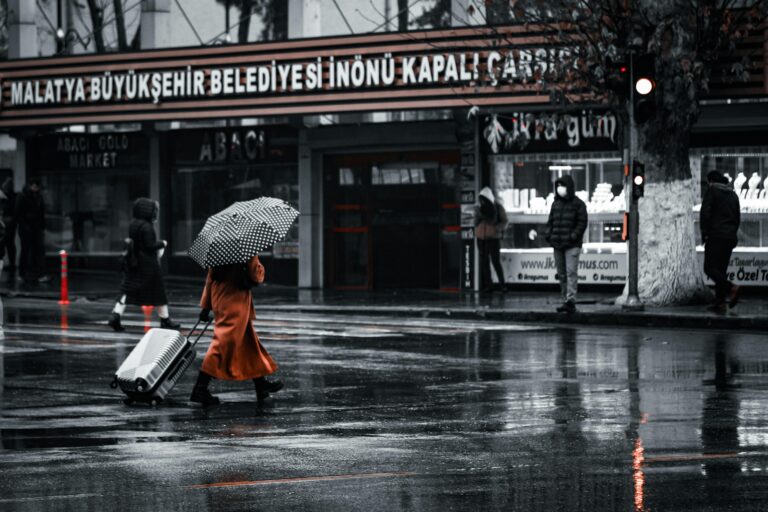
When you’re alone, you’re the one carrying everything. Lugging heavy suitcases up stairs or across cobblestones can quickly sap your energy. A smaller bag forces you to prioritize essentials: versatile clothing, comfortable shoes, and a few personal items. Packing light makes you more mobile and less stressed, giving you freedom to adapt as plans change.
4. Stay Connected Without Oversharing
Safety and peace of mind come from staying connected. Download offline maps, keep emergency contacts handy, and share your general itinerary with someone you trust. This way, loved ones know where you are without you needing to constantly update them. It’s about striking a balance: staying safe while still enjoying independence.
5. Pick Social Accommodations
Solo doesn’t mean lonely. Choosing hostels, boutique guesthouses, or accommodations that organize group activities makes it easier to meet fellow travelers. Many solo adventurers find they connect more easily when they’re on their own, because they’re more approachable. These social settings can provide companionship when you want it, while still giving you the freedom to retreat when you don’t.
6. Trust Your Instincts
One of the most important skills in solo travel is listening to your gut. If a situation feels off—whether it’s a street, a person, or an offer—walk away. Intuition is often your best safety tool, and solo travel sharpens it. Building confidence comes from knowing you can handle yourself, and that starts with trusting your instincts.
7. Get Comfortable Eating Alone
Dining solo can feel awkward at first, but it’s liberating once you embrace it. Bring a book, journal, or simply enjoy people‑watching. Meals become moments of reflection rather than something to rush through. You’ll discover that eating alone allows you to savor the food, observe the atmosphere, and enjoy the freedom of not waiting on anyone else’s schedule.
8. Join Local Experiences
Cooking classes, walking tours, or day trips are perfect for solo travelers. They provide structure, introduce you to locals and other travelers, and break up long stretches of solitude. These experiences often become highlights of the trip because they combine learning, socializing, and exploration—all while keeping you engaged and safe.
9. Document Your Journey
Solo trips often spark personal growth, and documenting helps you process the experience. Journaling, photography, or short video clips allow you to capture not just what you saw, but how you felt. Later, these records become reminders of how far you’ve come and how much you’ve learned. They also give you something to share with friends and family when you return.
10. Embrace the Freedom
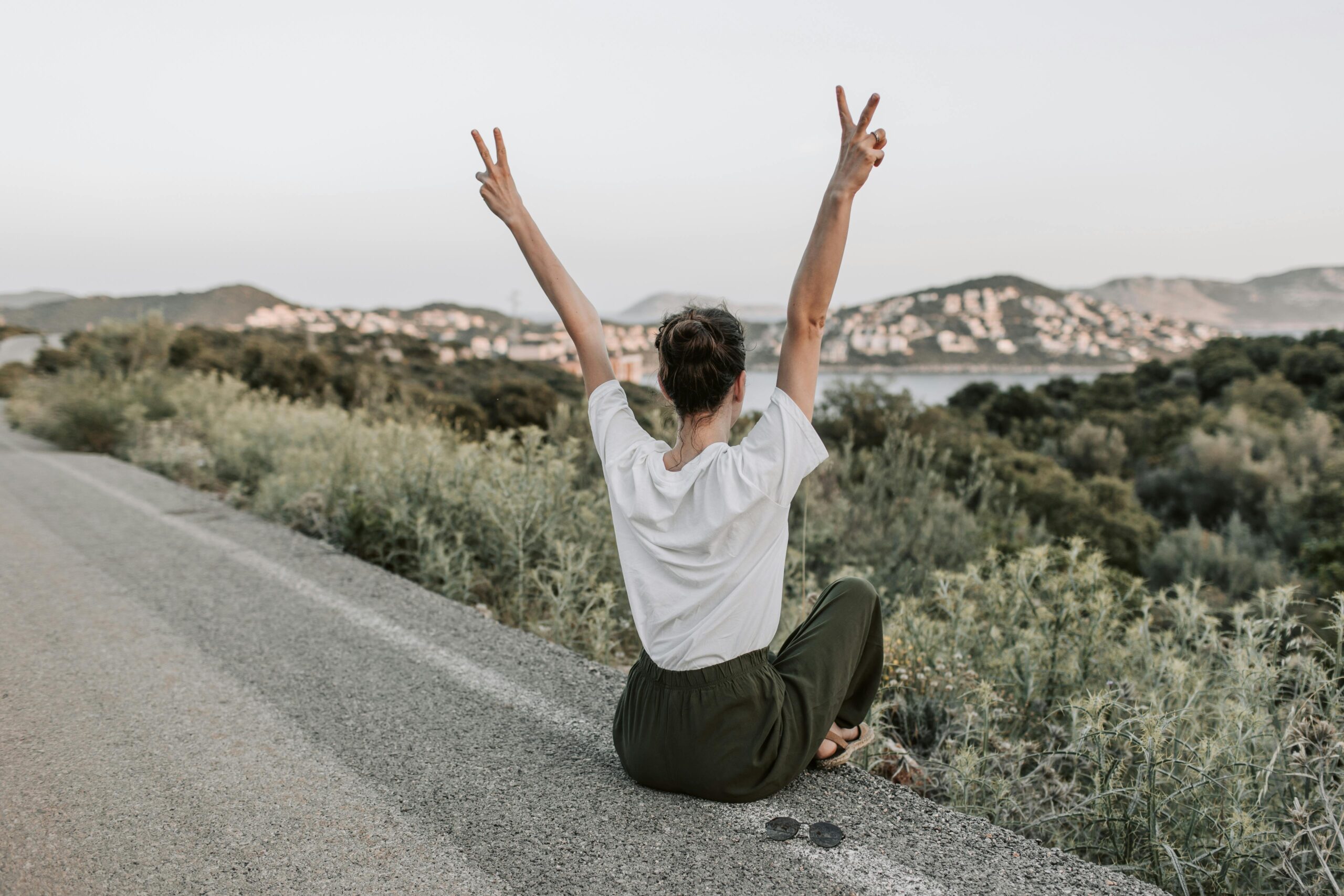
The greatest gift of solo travel is freedom. You answer to no one—sleep in, change plans, linger in a café, or hike until sunset. That flexibility is what makes solo travel unforgettable. Instead of worrying about what others want, you can focus entirely on what makes you happy. It’s empowering, and it’s often the reason people fall in love with traveling alone.
💡 Final Thought: Your first solo trip isn’t about proving anything—it’s about discovering yourself in a new context. With preparation, awareness, and an open mind, you’ll return with stories, confidence, and a deeper sense of independence that no guidebook can teach. If you’ve been waiting for the right time, consider this your gentle nudge: the world is waiting, and you’re more ready than you think.