10 Best Things to Do in Rome: Iconic Landmarks and Hidden Gems

1.Visit the Colosseum
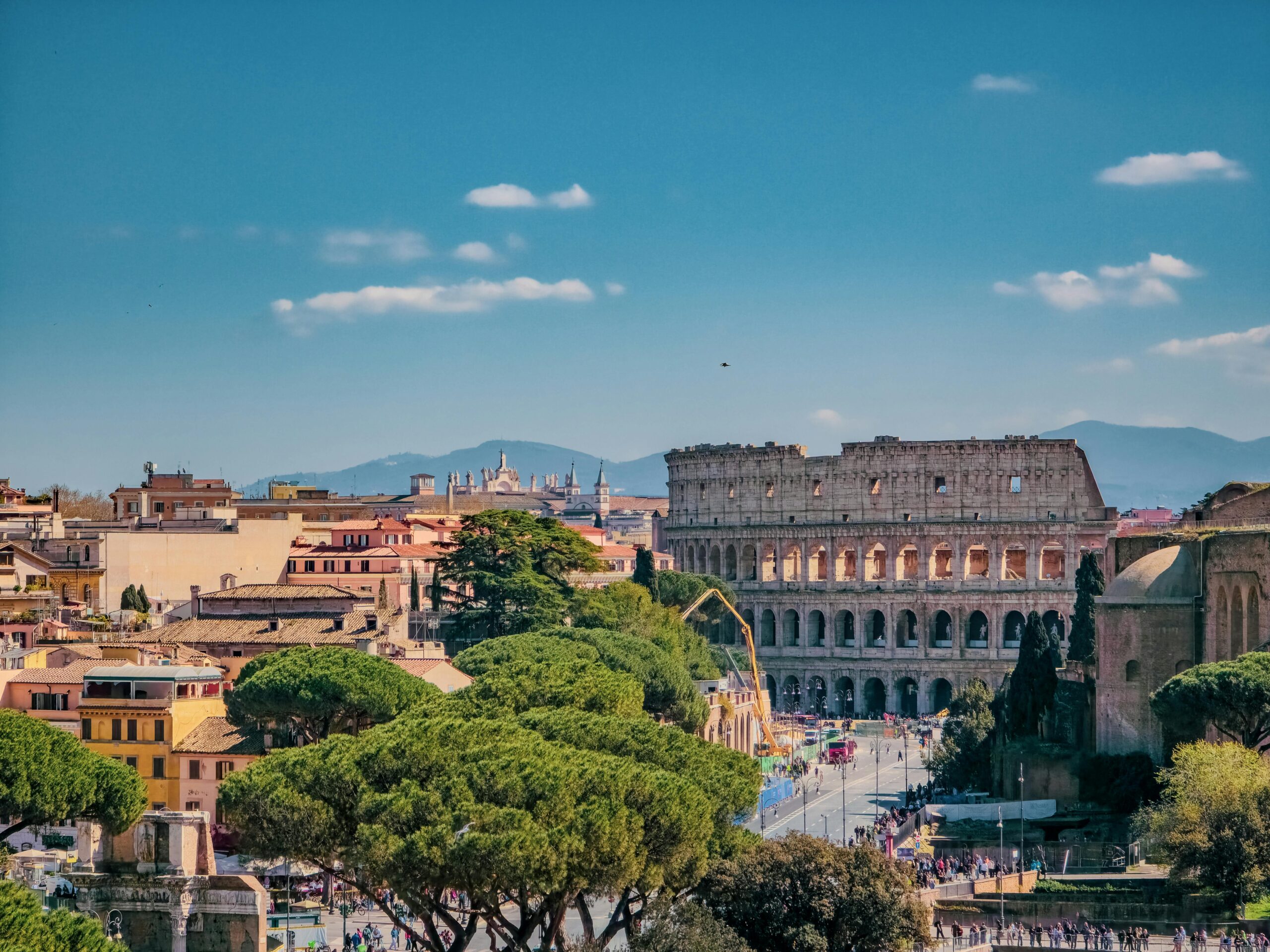
The Colosseum also known as the Flavian Amphitheatre, is the largest ancient amphitheatre ever built and remains a powerful symbol of Imperial Rome. Located in the heart of Rome, it was commissioned around 70–72 AD by Emperor Vespasian and inaugurated by his son Titus in 80 AD with 100 days of games Opening Hours: Currently on summer hours, typically 8:30 AM to 7:15 PM (last entry at 6:15 PM).Tickets: Advance booking is highly recommended via the official Parco Archeologico website as slots sell out fast. Tickets for the Underground (hypogeum) or the Arena Floor often require a separate “Full Experience” booking and are limited in capacity.
The Roman Forum was the heart of ancient Rome for over a thousand years, serving as the city’s political, religious, and commercial center. Located between the Palatine and Capitoline Hills, it grew from a marshy burial ground into a grand complex of temples, basilicas, and public squares where elections, trials, and triumphal processions took place. Today, it stands as one of the world’s most important archaeological sites, with ruins like the Temple of Saturn and the Curia Julia offering a glimpse into Rome’s past.
Highlights include the Arch of Septimius Severus, the House of the Vestal Virgins, the Temple of Caesar, and the Via Sacra—the main processional road used for military triumphs. Entry is usually combined with tickets to the Colosseum and Palatine Hill, and it’s best to book online in advance. The Forum opens daily at 9:00 AM, closing near sunset, and visiting early helps avoid crowds and heat since shade is limited among the ruins.
The Pantheon is the best‑preserved monument of ancient Rome, built around 125 AD by Emperor Hadrian as a temple to all gods. Since 609 AD, it has functioned as the Basilica of Santa Maria ad Martyres, housing tombs of figures such as Raphael and Italian kings. Its massive unreinforced concrete dome with a central oculus remains one of the greatest feats of ancient engineering.
As of 2026, entry costs €5, rising to €7 from July 1. Tickets are nominal and often require online booking, especially on weekends and holidays. The Pantheon is open daily from 9:00 AM to 7:00 PM, with strict dress codes due to its role as a church. Admission is free for Rome residents, children under 18, and all visitors on the first Sunday of each month. Arriving before 10:00 AM or after 4:00 PM helps avoid crowds, and special highlights include the April 21st sun alignment with the oculus and optional audio guides for deeper context.
The history of the Trevi fountain is a 2,000-year saga that began as a functional water source for ancient Romans and evolved into a world-famous masterpiece of Baroque art. As of April 2026, visiting the Trevi Fountain involves new crowd-control measures. Tourists must now pay a €2 fee to access the lower basin area—the prime spot for tossing coins—while residents, children under five, and people with disabilities can enter for free. Ticketed access runs daily from 9:00 AM to 10:00 PM, with later openings on Mondays and Fridays for maintenance and coin collection. Tickets are available online or via QR codes on-site, with digital payment preferred.
To manage crowds, only 400 people are allowed in the basin at once, creating a one-in, one-out system during peak hours. Visitors can still enjoy free views from above at any time, and the fountain remains beautifully illuminated at night. Strict rules prohibit sitting, eating, or drinking near the fountain, with fines enforced. The coin toss tradition continues, with all collected coins donated to Caritas. Nearby highlights include the Vicus Caprarius archaeological site and the Baroque church of Santi Vincenzo e Anastasio, adding depth to the experience.
The Vatican is the world’s smallest sovereign state, nestled within Rome and serving as the spiritual and administrative hub of the Catholic Church. It houses treasures like St. Peter’s Basilica, the Vatican Museums, and the Sistine Chapel. As of April 2026, tickets for the Museums are nominative and must match a valid photo ID, with entry often selling out weeks in advance. The Museums are open Monday to Saturday, 8:00 AM–8:00 PM, though Michelangelo’s Last Judgment in the Sistine Chapel is under temporary maintenance until May. St. Peter’s Basilica remains free to enter, though security checks can take up to two hours, and climbing the dome requires a €10 fee.
Visitors must follow a strict dress code—shoulders and knees covered, hats removed inside the Basilica—and silence is enforced in the Sistine Chapel, where photography is prohibited. The Pope holds a General Audience every Wednesday morning, which is free but requires advance tickets, and during this time the Basilica is closed to tourists. With these updated rules, planning ahead is essential to fully experience the Vatican’s unmatched art, architecture, and spiritual significance.
Piazza Navona is one of Rome’s most lively and architecturally stunning squares, built on the site of the ancient Stadium of Domitian. Its elongated oval shape and Baroque masterpieces make it a favorite gathering spot for locals and tourists alike. Highlights include Bernini’s Fountain of the Four Rivers with its towering obelisk, Borromini’s Church of Sant’Agnese in Agone, the underground ruins of the stadium, and the smaller but equally charming Fontana del Moro and Fontana del Nettuno.
The piazza has a colorful history, from water games that once flooded the square to legends like Bernini’s “Ace of Cups” vase. Today, it’s open 24/7 and especially magical at night when the fountains are illuminated. While cafés around the square offer beautiful views, prices are steep—better value can be found in nearby side streets like Via del Governo Vecchio. With the Pantheon and Caravaggio masterpieces just a short walk away, Piazza Navona is both a cultural treasure and a vibrant hub of Roman life.
The Spanish Steps, built in the 18th century to connect Piazza di Spagna with the Trinità dei Monti church, remain one of Rome’s most iconic landmarks. Despite their name, they were funded by a French diplomat to link the French church above with the Spanish Embassy below. Today, visitors admire the 135-step stairway alongside nearby attractions like the Fontana della Barcaccia, the Renaissance church of Trinità dei Monti, and the Keats-Shelley House. In late April, the steps are beautifully decorated with hundreds of pink azaleas to celebrate Rome’s founding.
Since 2019, strict rules protect the travertine stone: sitting, eating, drinking, or loitering with strollers and luggage on the steps is prohibited, with fines starting at €250 and rising to €400 or more. Police patrol the area to enforce these ordinances, ensuring the monument’s preservation. With its rich history, surrounding cultural sites, and seasonal displays, the Spanish Steps remain a must-see, provided visitors respect the rules that safeguard this treasured landmark.
Castel Sant’Angelo, originally built by Emperor Hadrian in 123 AD as a mausoleum, has transformed over centuries into a fortress, papal residence, prison, and now a museum. Its name comes from a legend in 590 AD when the Archangel Michael appeared atop the structure, signaling the end of a plague. The castle is also famous for the Passetto di Borgo, a secret passageway connecting it to the Vatican, which popes used as a refuge during times of danger.
As of April 2026, visitors can explore the site Tuesday to Sunday from 9:00 AM to 7:30 PM, with tickets costing about €15. Free admission is offered on April 25 (Liberation Day) and May 3 (first Sunday of the month). Highlights include the panoramic terrace with sweeping views of Rome, the richly decorated papal apartments, and the Ponte Sant’Angelo, adorned with Bernini’s angel statues. A special exhibition, The Dawn of a Museum, is currently included in the ticket price, making this historic fortress an essential stop for travelers.
Campo de’ Fiori is one of Rome’s most atmospheric squares, known for its lively dual character. By day, it hosts one of the city’s oldest open-air markets, running Monday through Saturday from 7:00 AM until early afternoon. Visitors can browse fresh produce, flowers, spices, and artisanal goods like truffle oils and colorful pasta. Arriving before 9:00 AM offers a glimpse of locals shopping before the crowds. Despite its name meaning “Field of Flowers,” the square has a darker past as a site of public executions, commemorated by the hooded statue of philosopher Giordano Bruno, who was burned at the stake here in 1600.
At night, Campo de’ Fiori transforms into a buzzing social hub filled with bars, restaurants, and outdoor seating. The energy is high and often rowdy, making it a favorite spot for students and travelers. Food lovers can enjoy nearby highlights like Antico Forno Roscioli for pizza al taglio or Osteria da Fortunata for handmade pasta. Access to the square is free, and its central location makes it easy to reach on foot from Piazza Navona or Piazza Farnese, offering visitors both history and vibrant Roman nightlife in one place.
Trastevere is Rome’s most charming bohemian neighborhood, set just across the Tiber River. Its cobblestone alleys, ivy-covered buildings, and lively piazzas give it a distinctly local feel compared to the city’s monumental center. Key highlights include the Basilica di Santa Maria in Trastevere with its golden mosaics, Janiculum Hill for sweeping views and the daily noon cannon, Villa Farnesina with Raphael’s frescoes, and the peaceful Orto Botanico garden.
The area is also renowned as Rome’s culinary heart, offering everything from handmade pasta at Osteria da Fortunata to wood-fired pizza at Dar Poeta, plus street food favorites like supplì and trapizzino. At night, Trastevere transforms into a buzzing hub with drinks and live music in Piazza di Santa Maria and Piazza Trilussa. Easily reached by Tram 8 or a walk across Ponte Sisto, it’s best explored in the late afternoon, with Sundays reserved for browsing the Porta Portese flea market.
Top 10 Tips for Rome
- Book tickets early – Major sites like the Vatican Museums and Colosseum sell out weeks or even months in advance. This will save you from the long queues.
- Go off-peak – Visit early morning or late evening to avoid heavy crowds.
- Respect dress codes – Shoulders and knees must be covered in churches.
- Walk whenever possible – Rome’s historic center is best explored on foot.
- Beware of pickpockets – Stay alert on buses, trams, and crowded tourist areas.
- Skip tourist traps – For authentic food, head into side streets away from main squares.
- Try Roman street food – Supplì (fried rice balls) and trapizzino (pizza pockets) are local favorites.
- Follow monument rules – Sitting or eating on sites like the Spanish Steps can lead to fines.