The ultimate guide to Istanbul: Best places to visit.

- Hagia Sophia
Hagia Sophia (Holy Wisdom), located in Istanbul, Turkey, is a masterpiece of Byzantine architecture completed in 537 AD under Emperor Justinian I. Originally a Christian cathedral, it became an Ottoman mosque in 1453, a museum in 1934, and a mosque again in 2020. Famous for its massive, innovative dome and rich mosaics, it remains a major tourist attraction and a UNESCO World Heritage site.
You are not required to book a tour but do require entry tickets (€25 in 2026) to access the visitor (upper gallery) level, which can be bought on-site or in advance online. Using a guided tour is recommended for context but not mandatory.
- Blue Mosque
The Blue Mosque, officially named the Sultan Ahmed Mosque in Istanbul, is a stunning architectural marvel built between 1609 and 1616 during the reign of Sultan Ahmed I. It’s known for its intricate blue tiles and six minarets. Visitors are drawn to its serene atmosphere, impressive domes, and exquisite calligraphy. Exploring this historic site provides a rich cultural experience, blending Ottoman and Islamic artistry.Its open from around 8:30 to 6:30 and entry is free.( Ladies require a headscarf to enter mostly sold at the entrance. and cover their arms while men must cover their knees ),
- Topkapı Palace
Topkapi Palace, located in Istanbul, Turkey, is a vast 15th-century complex that served as the primary residence and administrative center of Ottoman sultans for nearly 400 years (15th–19th centuries). Commissioned by Mehmed the Conqueror, it is now a major museum and UNESCO World Heritage site showcasing imperial treasures, the Harem, and sacred Islamic relics. It requires at least 3–4 hours to tour properly. You are required to have an entry ticket which you can buy online or purchase on arrival for around 55 euros as of early 2026 but be sure to check before you go. Entry is free for children 6 years and under
- Grand Bazaar
The Grand Bazaar in Istanbul is a maze of over 4,000 shops spread across 60 bustling streets, where centuries-old Ottoman architecture meets the vibrant energy of modern trade. Visitors can expect a sensory feast—glittering jewelry, richly woven carpets, aromatic spices, and sweet Turkish delights—all set against the backdrop of lively bargaining and warm hospitality. It’s not just a marketplace but a living piece of history, offering travelers a chance to step into the heart of Istanbul’s culture and tradition. Entrance is free (advisably go early in the morning to avoid crowds)
- Spice Bazaar
The Spice Bazaar, or Mısır Çarşısı, is Istanbul’s most colorful market, smaller and easier to navigate than the Grand Bazaar but just as atmospheric. Inside, stalls overflow with saffron, dried fruits, teas, and Turkish delight, filling the air with a mix of sweet and spicy scents. It’s a place where locals shop alongside visitors, and sampling is part of the experience—vendors often offer tastes of tea or lokum before you buy. Mornings are calmer, while afternoons bring more energy and crowds. Bargaining is expected but friendly, and the bazaar pairs perfectly with a visit to the nearby New Mosque, making it both a sensory and cultural stop in the city.
- Bosphorus Cruise
The Bosphorus Cruise is one of Istanbul’s most memorable experiences, offering a chance to see the city from the water and to glide between two continents at once. Public ferries are the most authentic option—they’re inexpensive, filled with locals, and give you the same sweeping views as tourist boats. Along the way, you’ll pass Ottoman palaces, modern bridges, and neighborhoods that stretch down to the shoreline. Sunset is the best time, when the skyline glows and the call to prayer drifts across the water. It’s less about ticking off landmarks and more about feeling Istanbul’s rhythm from a different perspective.
- Basilica Cistern
The Basilica Cistern is one of Istanbul’s most atmospheric sites, hidden beneath the city streets. Built in the 6th century to store water for the Byzantine palace, it’s an underground chamber supported by hundreds of marble columns, dimly lit to create a mysterious glow. Visitors can expect cool air, reflections of the columns in shallow water, and the famous Medusa-head carvings tucked away at the base of two pillars. It feels less like a utility space and more like stepping into a secret, ancient world. As of mid‑2025, visiting the Basilica Cistern comes with a ticket price of around 1,500 TL (about $45–$50) for international visitors. Tickets can be purchased at the entrance, but queues often stretch beyond an hour, so many travelers opt for online skip‑the‑line tickets with audio guides, usually priced at €35–€40.
- Suleymaniye Mosque
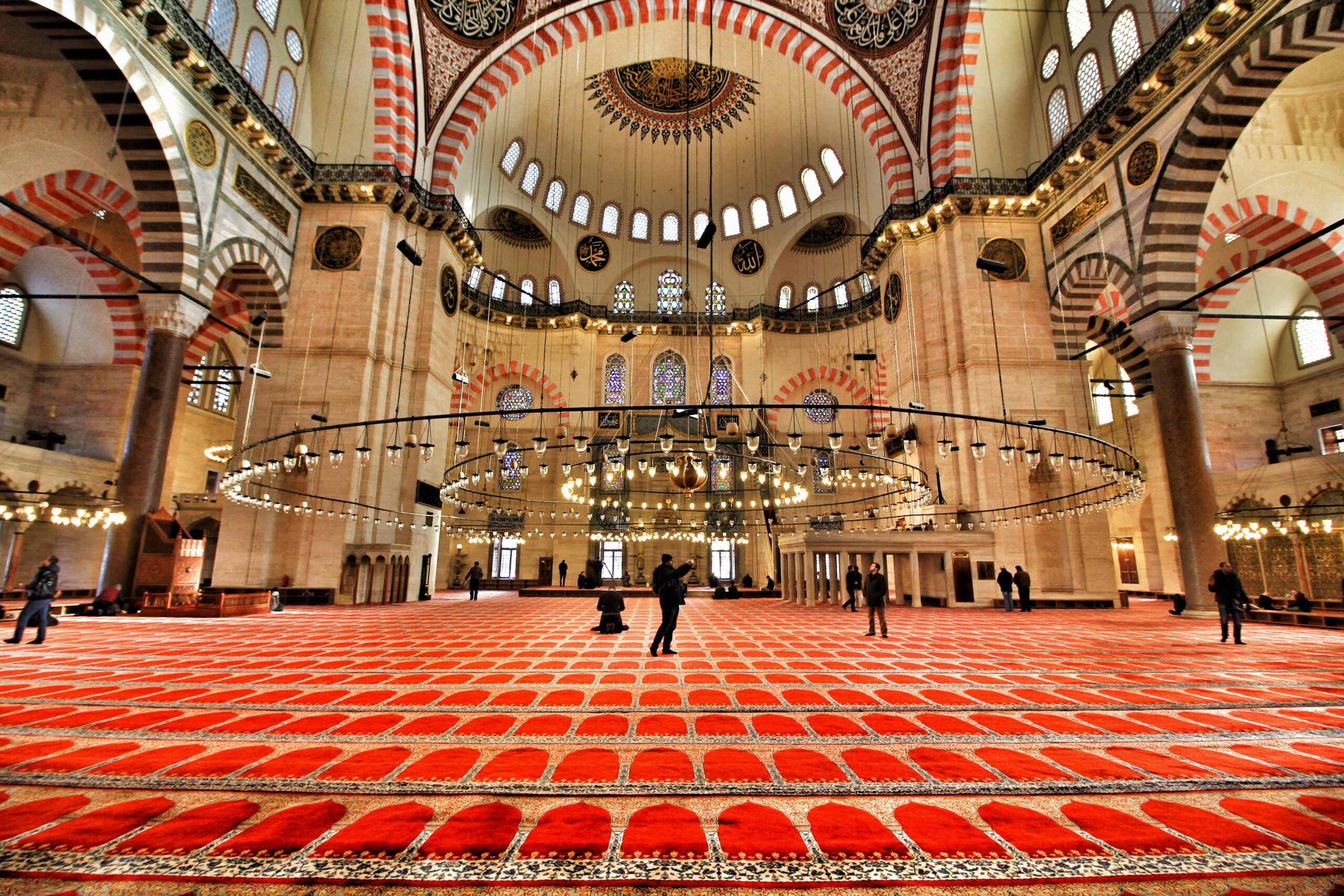
The Süleymaniye Mosque is one of Istanbul’s grandest and most serene landmarks, built in the 16th century by the famed Ottoman architect Sinan. Visitors can expect soaring domes, elegant courtyards, and intricate tilework that showcase the height of classical Ottoman design. Unlike the bustling bazaars, the mosque offers a peaceful atmosphere, with gardens and terraces overlooking the Golden Horn. It’s not only a place of worship but also a cultural complex, historically housing schools, baths, and a hospital—giving travelers a glimpse into the social heart of Ottoman life.There are no entrance tickets required, and it is open to visitors daily, generally between 9:00 AM and 6:00 PM, though it closes to tourists during the five daily prayer times.
- Galatia Tower
The Galata Tower is one of Istanbul’s most iconic landmarks, rising above the Beyoğlu district with its distinctive medieval stone structure. Built in the 14th century, it once served as a watchtower and today offers visitors panoramic views of the city and the Bosphorus from its observation deck. Inside, you’ll find exhibitions on the tower’s history, and at the top, a café and restaurant where you can enjoy the scenery. Expect a climb, a bit of a wait during peak hours, but ultimately one of the best vantage points to take in Istanbul’s skyline—especially at sunset.The Galata Tower entrance ticket can be bought on-site or online, with prices varying slightly depending on extras like audio guides. Queues often get long, especially at sunset, so booking a skip‑the‑line ticket in advance is the easiest way to save time and head straight up for those panoramic views.
🗓 5 Days in Istanbul – A Practical Itinerary
Day 1 – Sultanahmet Classics
- Start with Hagia Sophia and Blue Mosque (they’re right across from each other).
- Walk to the Basilica Cistern nearby.
- Afternoon: Explore Topkapi Palace and its gardens.
- Evening: Dinner in Sultanahmet Square with views of the monuments lit up.
Day 2 – Bazaars & Local Life
- Morning: Wander the Grand Bazaar.
- Late morning: Head to the Spice Bazaar (15‑minute walk).
- Lunch by the Eminönü waterfront, try fresh fish sandwiches.
- Afternoon: Take a short Bosphorus ferry ride for city views.
Day 3 – Ottoman Masterpieces
- Visit the Süleymaniye Mosque (10‑minute walk uphill from the Spice Bazaar).
- Explore the surrounding neighborhood for traditional cafés.
- Afternoon: Stroll through the Fener & Balat districts, known for colorful houses and history.
- Evening: Dinner with Golden Horn views.
Day 4 – Across the Bosphorus
- Cross the Galata Bridge to Galata Tower (easy walk from Eminönü).
- Explore Istiklal Street and Taksim Square for shopping and nightlife.
- Optional: Visit Dolmabahçe Palace (short tram ride).
- Evening: Sunset from Galata Tower or a rooftop bar.
Day 5 – Relax & Discover
- Morning: Take a ferry to the Princes’ Islands for a peaceful escape.
- Rent a bike or horse carriage to explore.
- Afternoon: Return to Istanbul, enjoy a Turkish hammam (bath) experience.
- Evening: Farewell dinner with Bosphorus views.